
Rebuild the foundation first.
Bone shrinks where a tooth is missing. Grafting puts it back, so an implant has something solid to hold, and so a smile has a natural gum line to emerge from.
From scan to solid bone.
- Step 01
The scan
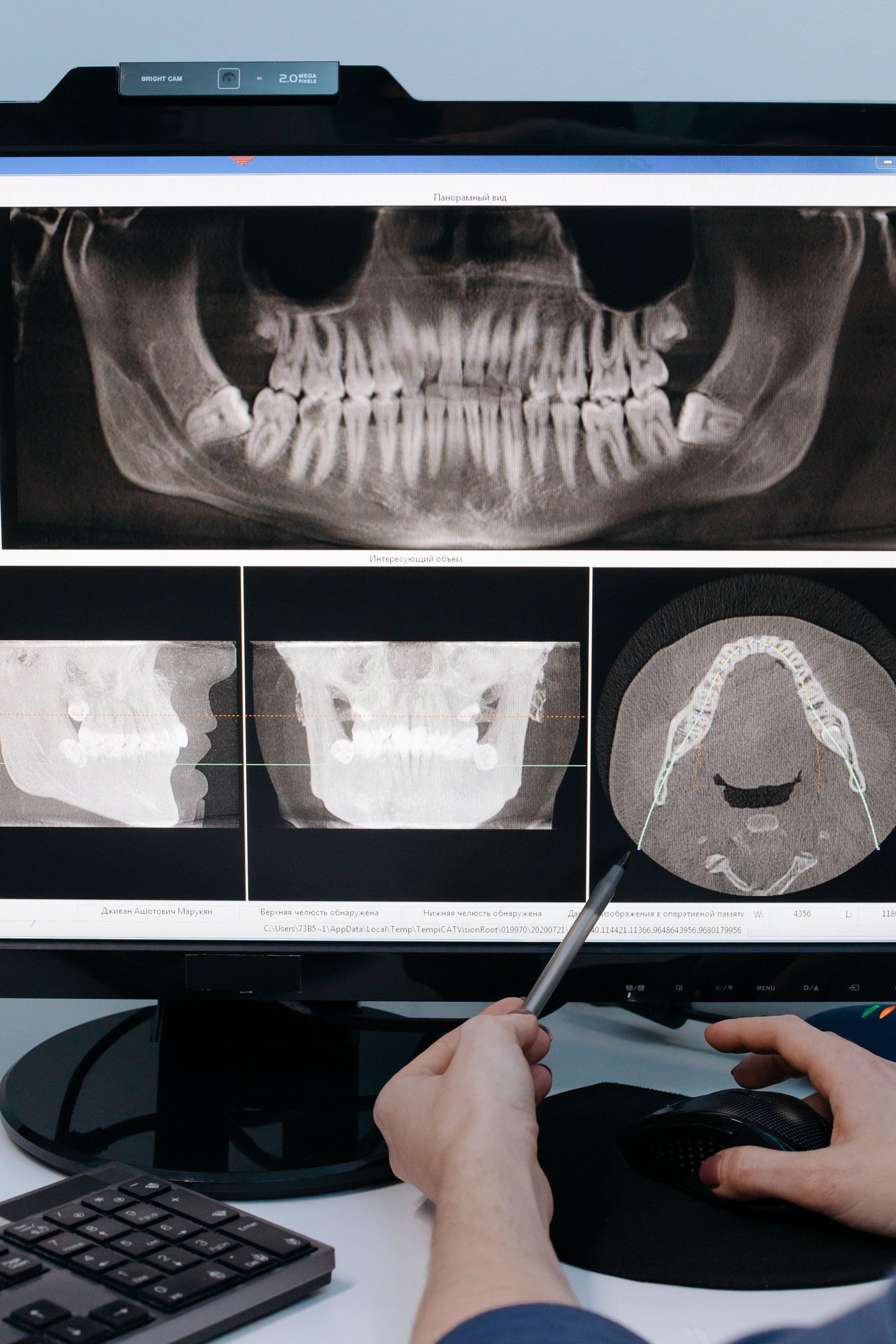
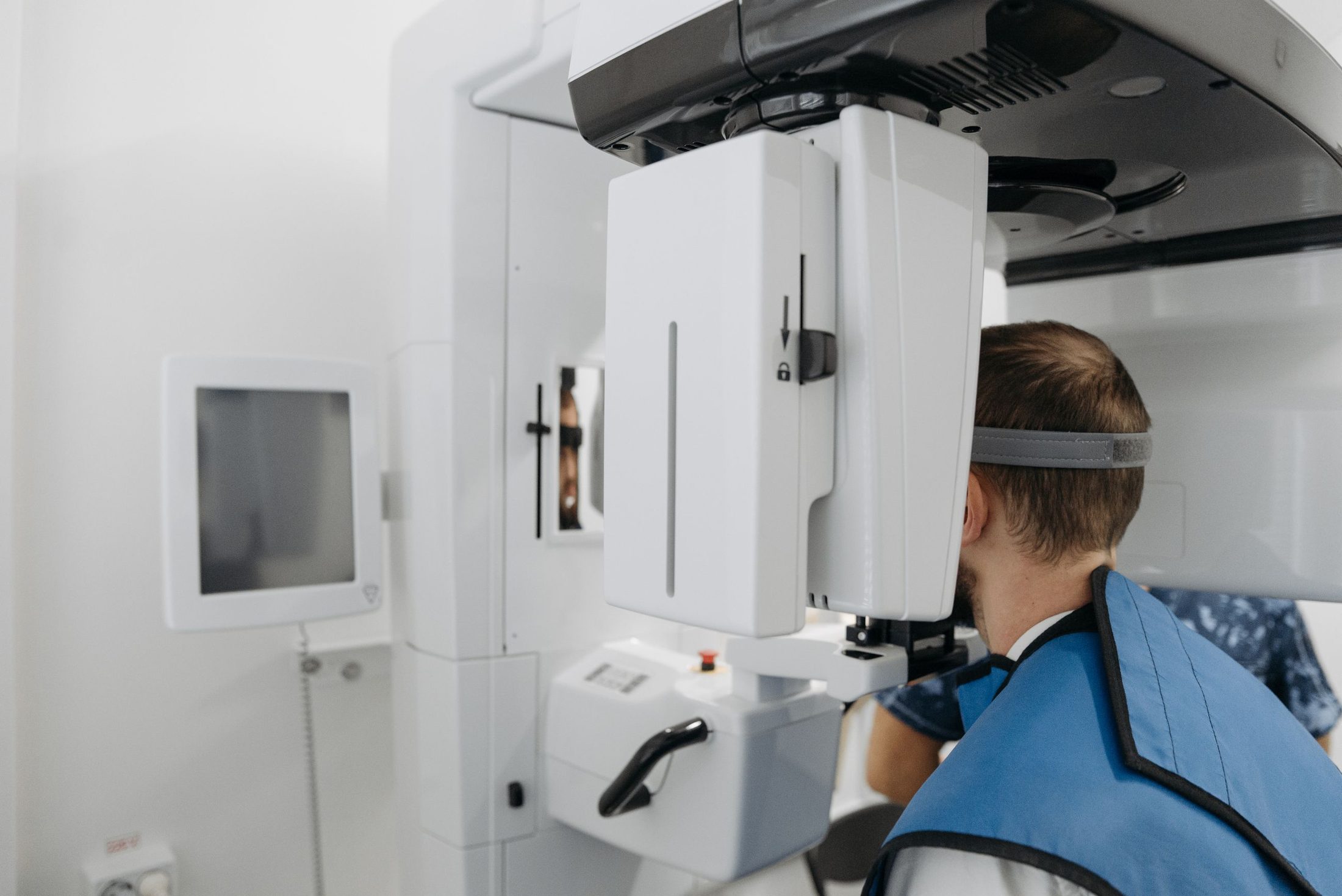
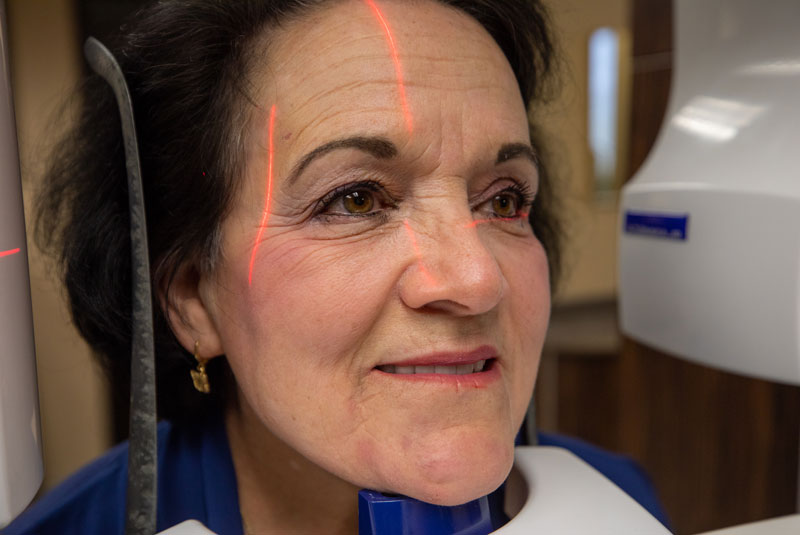
A cone-beam CT measures bone height, width and density and shows where the sinuses and nerves sit. That decides whether grafting is needed at all, and which kind.
- Step 02
The graft
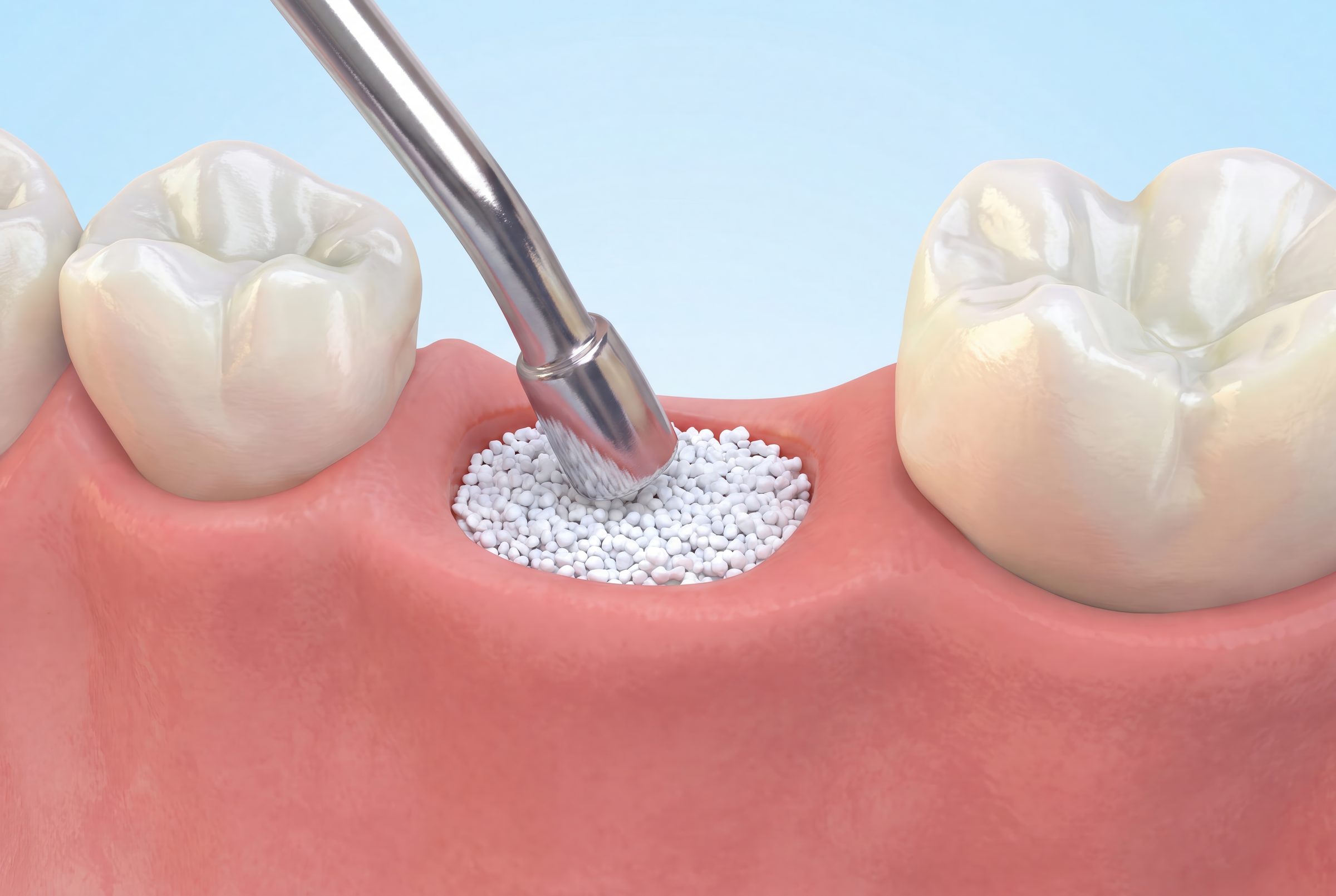
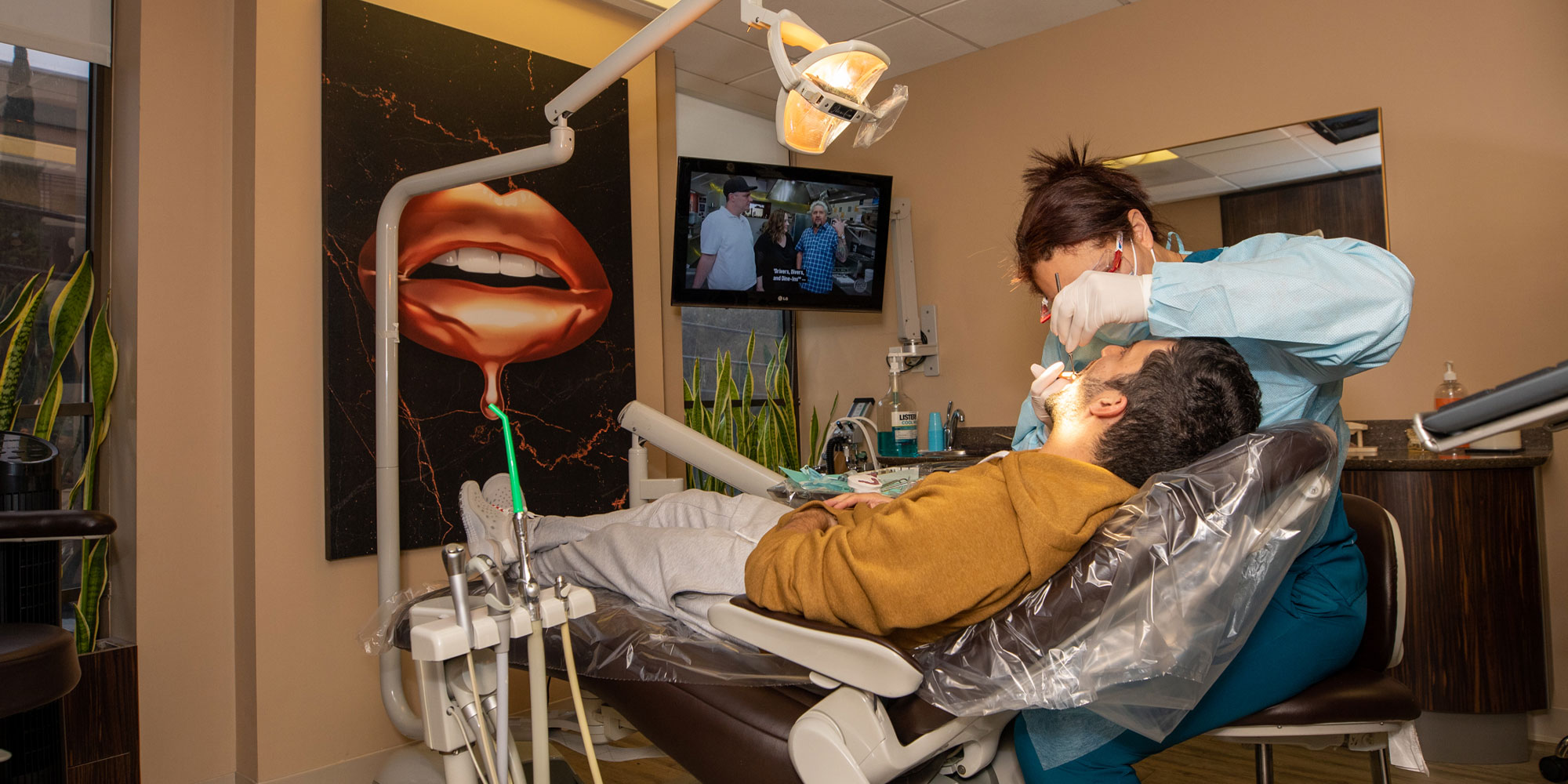
Under local anaesthetic or sedation, the gum is lifted, graft material is placed where bone has receded, and the site is closed. A membrane often protects it while it heals.
- Step 03
Healing
The graft fuses with your own bone over a few months. Instructions cover cold foods and fluids on the first day, no spitting or straws, no strenuous exercise for 48 hours, and no dentures on the site for two weeks.
- Step 04
The implant
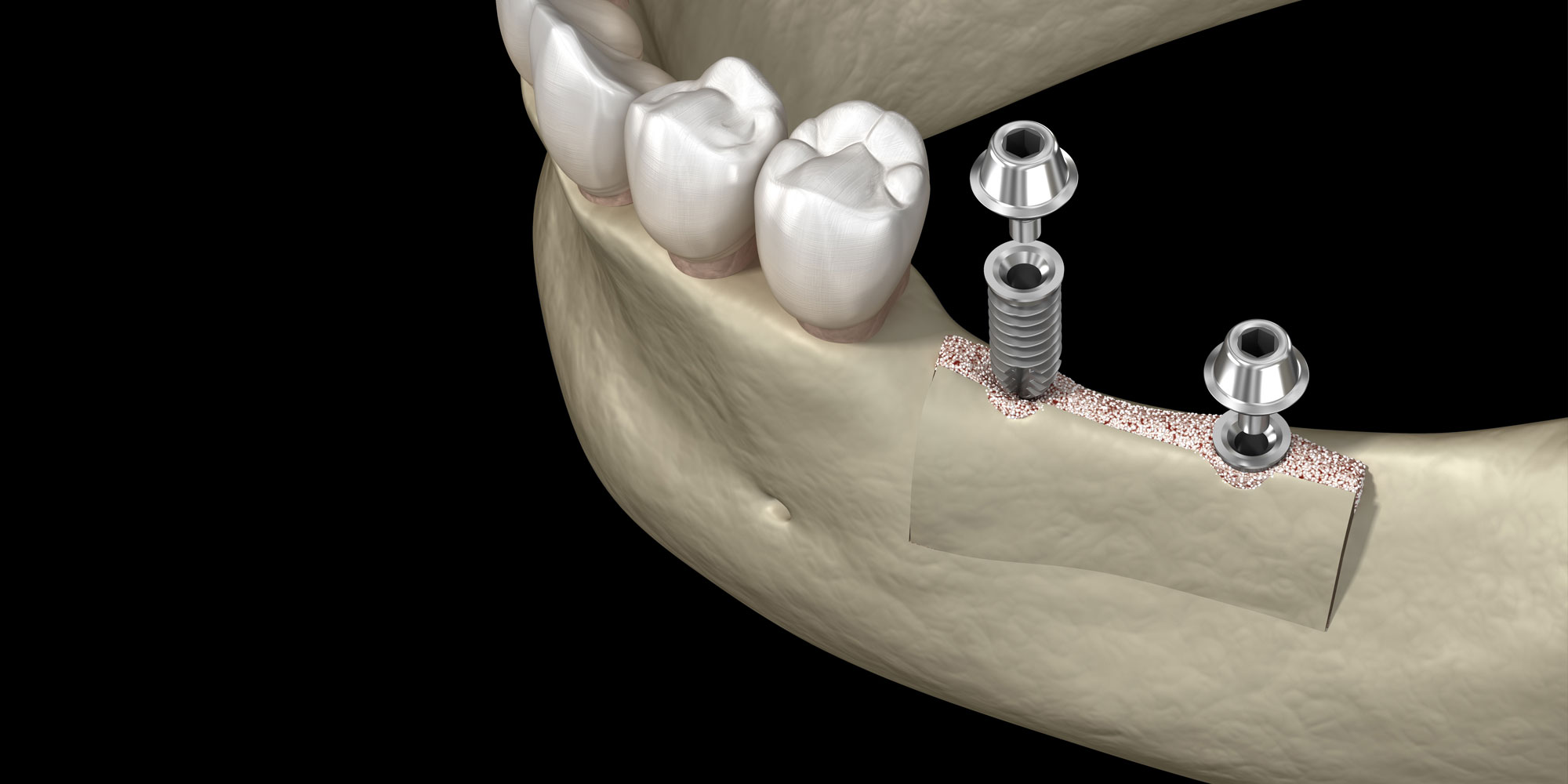
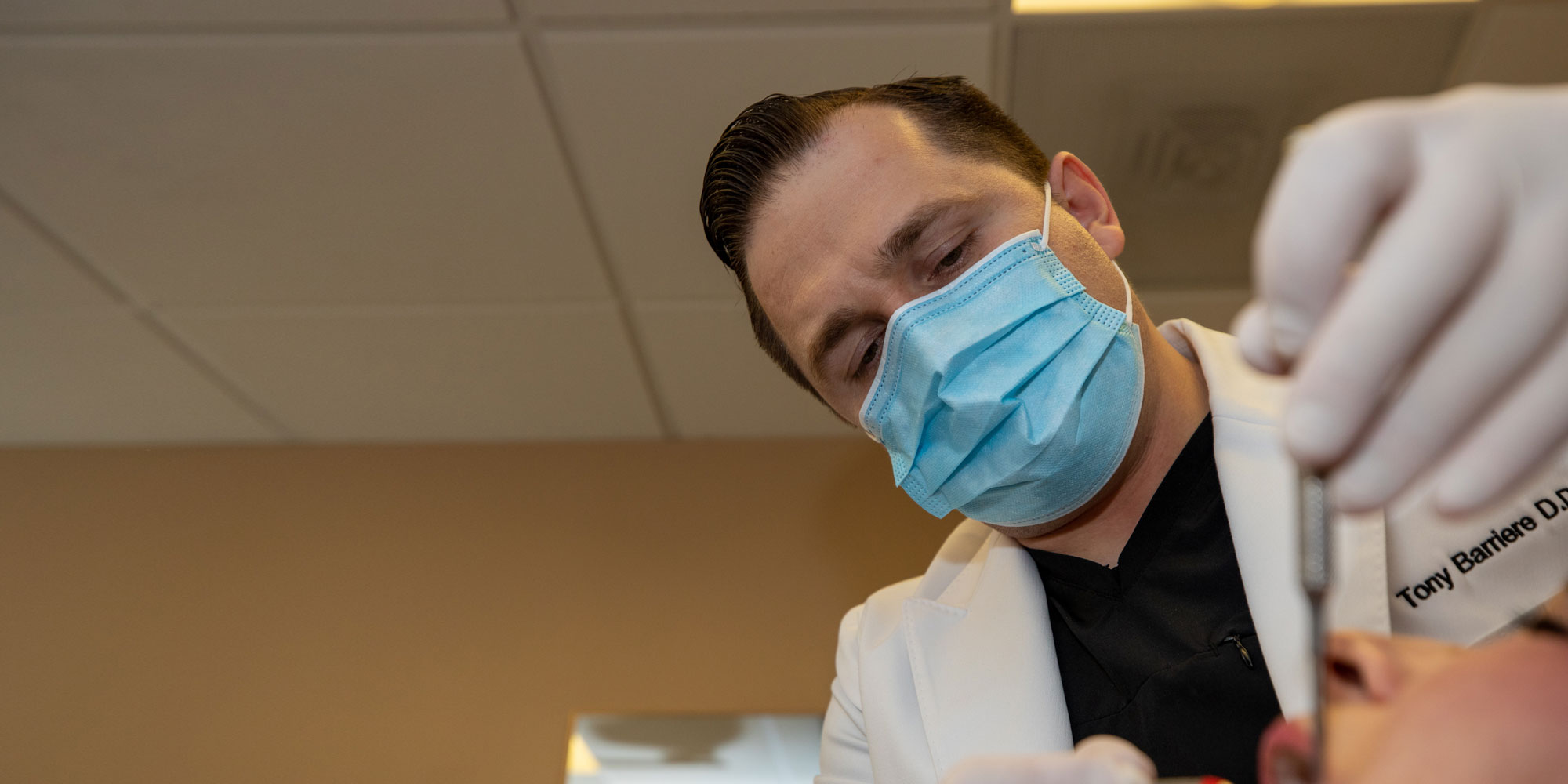
Once the scan shows solid bone, the implant is placed with Yomi® guidance, by the same surgeon, in the same suite.

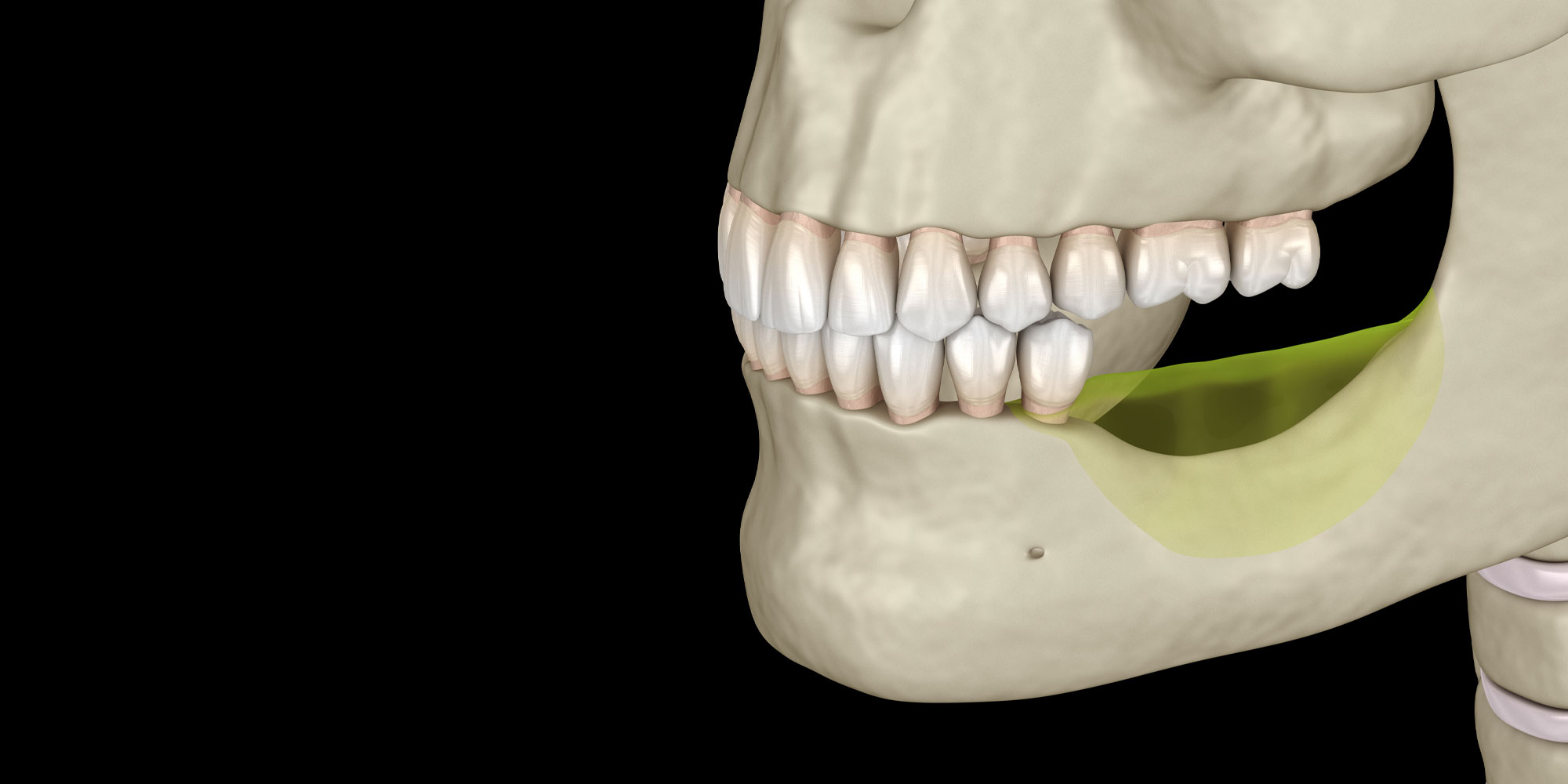
Roots keep the jaw alive. Without them the bone resorbs, the ridge thins, the lips lose their support and the face ages ahead of its time.
Many patients arrive having been told they no longer qualify for implants. Bone loss is reversible. It is a matter of rebuilding it, and of a surgeon who does that routinely.
Three ways to rebuild bone support.
Chosen from the scan. Some patients need one, some none, some a combination.
Socket preservation
At the time of extraction
- Graft material packed into the empty socket
- Slows resorption where the tooth was
- Keeps the site ready for an implant
- Done in the same visit as the extraction
Ridge augmentation
Height and width
- Rebuilds the contour of the jaw ridge
- Gum tissue lifted, graft placed, ridge reshaped
- Also ridge splitting for a ridge too narrow to hold an implant
- Implant placed once healed, usually after a few months
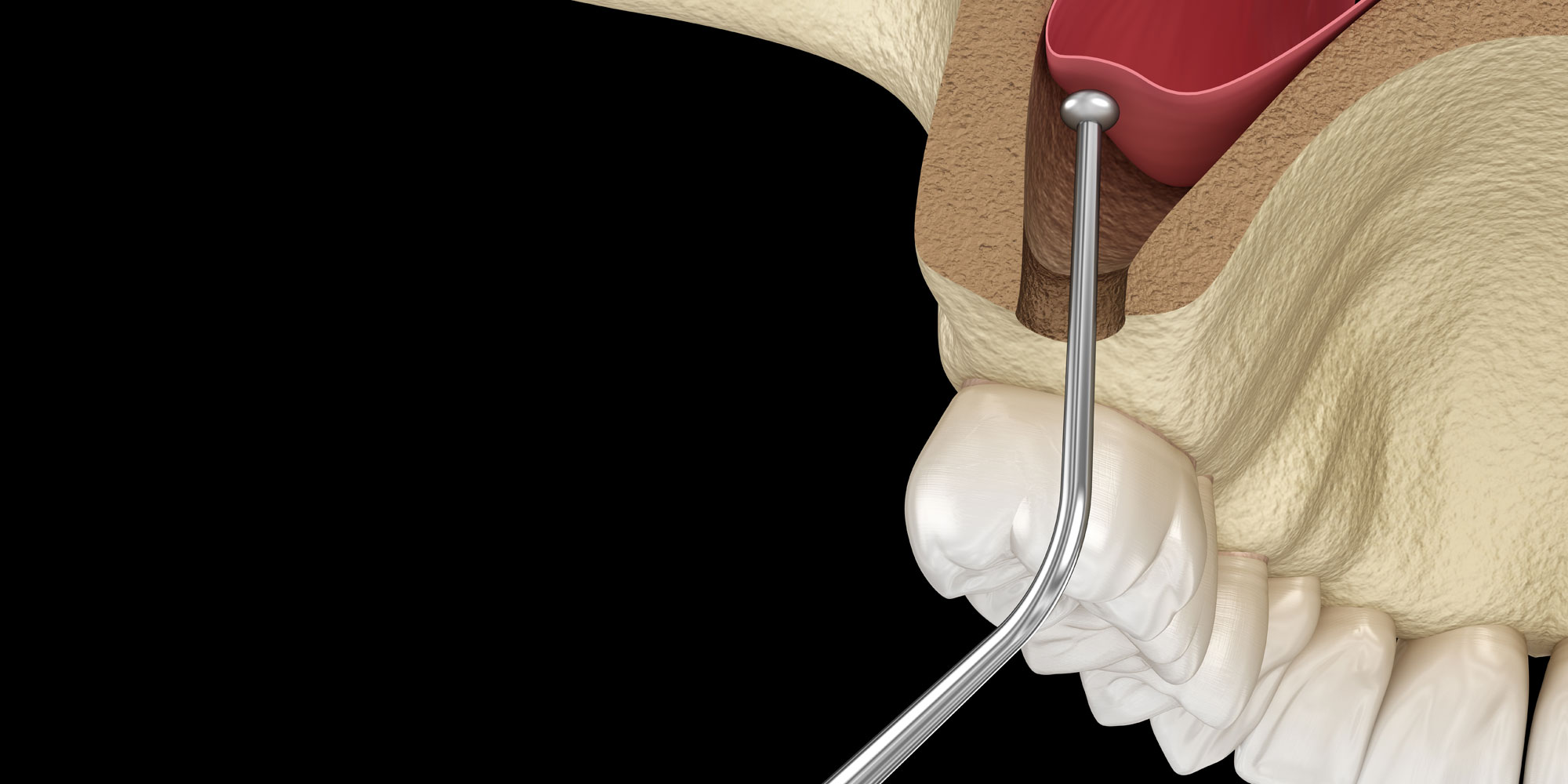
Sinus lift
Upper back jaw
- The sinus floor migrates down after upper molars are lost
- The membrane is gently elevated and graft placed beneath it
- A minimally invasive technique
- Implants placed at the same time or later
Graft material comes from you, from a donor bank, or is synthetic. Dr. Barriere explains which at the consultation.
One surgeon for the graft and the implant.
The person who rebuilds the bone is the person who places the implant into it. Nothing is handed off.
Grafting is the reason the practice can take cases other offices decline, and the reason its full-arch work is not limited to patients with perfect bone.
Post-operative guidelines for grafting and sinus lifts are on the first-visit page, and the office answers after-hours calls for surgical patients.
- Declined elsewhere?Free second opinion
- SedationIV or oral, for any graft
- After-hours lineFor surgical patients
- InsuranceMost PPO plans, claims filed
Grafting questions.
Only the scan can say. Many patients need none; others need a small socket graft at extraction; a few need a ridge or sinus procedure before a full arch. All three are done here.
From your own bone, from a donor bone bank, or from a synthetic material, depending on the site and the volume needed. Donor and synthetic grafts are processed to be safe and are the norm for sinus lifts.
It is done under local anaesthetic or sedation and most patients report pressure rather than pain, with some swelling for a few days. The guidelines ask you not to blow your nose or fly for a short period while it heals.
A socket graft may allow the implant in the same visit or a few months later. Ridge and sinus grafts usually heal for several months before the implant is placed.
Bring the scan, or get one here.
If you have been told there is not enough bone, a second opinion is free.
Same-day emergency appointments