
Removal can be restorative.
The goal is always to save the tooth. When infection, trauma or an impacted wisdom tooth make that impossible, a gentle extraction ends the pain and protects everything around it.

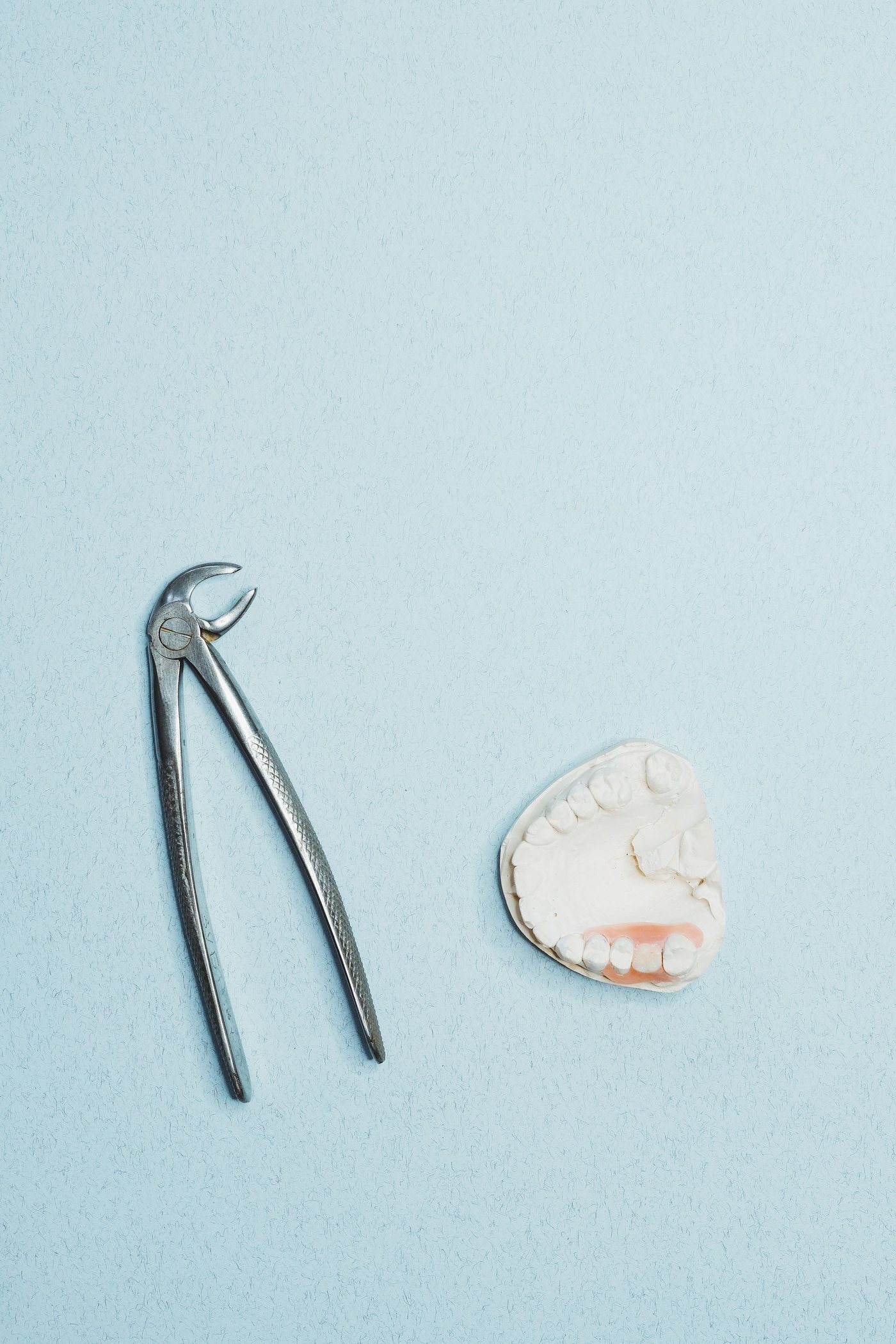
Simple, or wisdom.
Simple extraction
A damaged or infected tooth
- Local anaesthetic, sedation if you want it
- The tooth is loosened and lifted with forceps
- Neighbouring teeth, bone and gum protected
- Healing over a few days with over-the-counter relief
Wisdom tooth extraction
Impacted or crowding
- Sedation as needed, local anaesthetic at the site
- Bone and gum preserved as the tooth is removed
- Detailed aftercare to protect the clot
- Dr. Barriere has more than a decade of wisdom tooth experience
Then what
Every extraction except wisdom teeth
- A socket graft keeps the bone
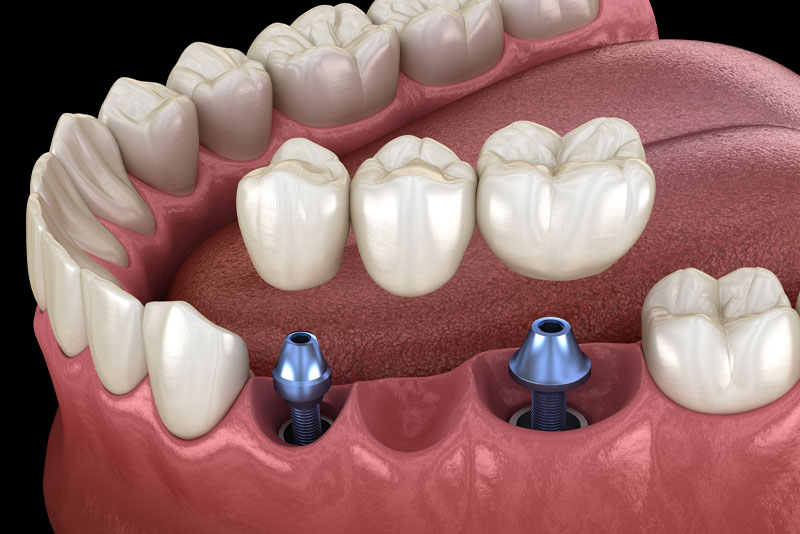
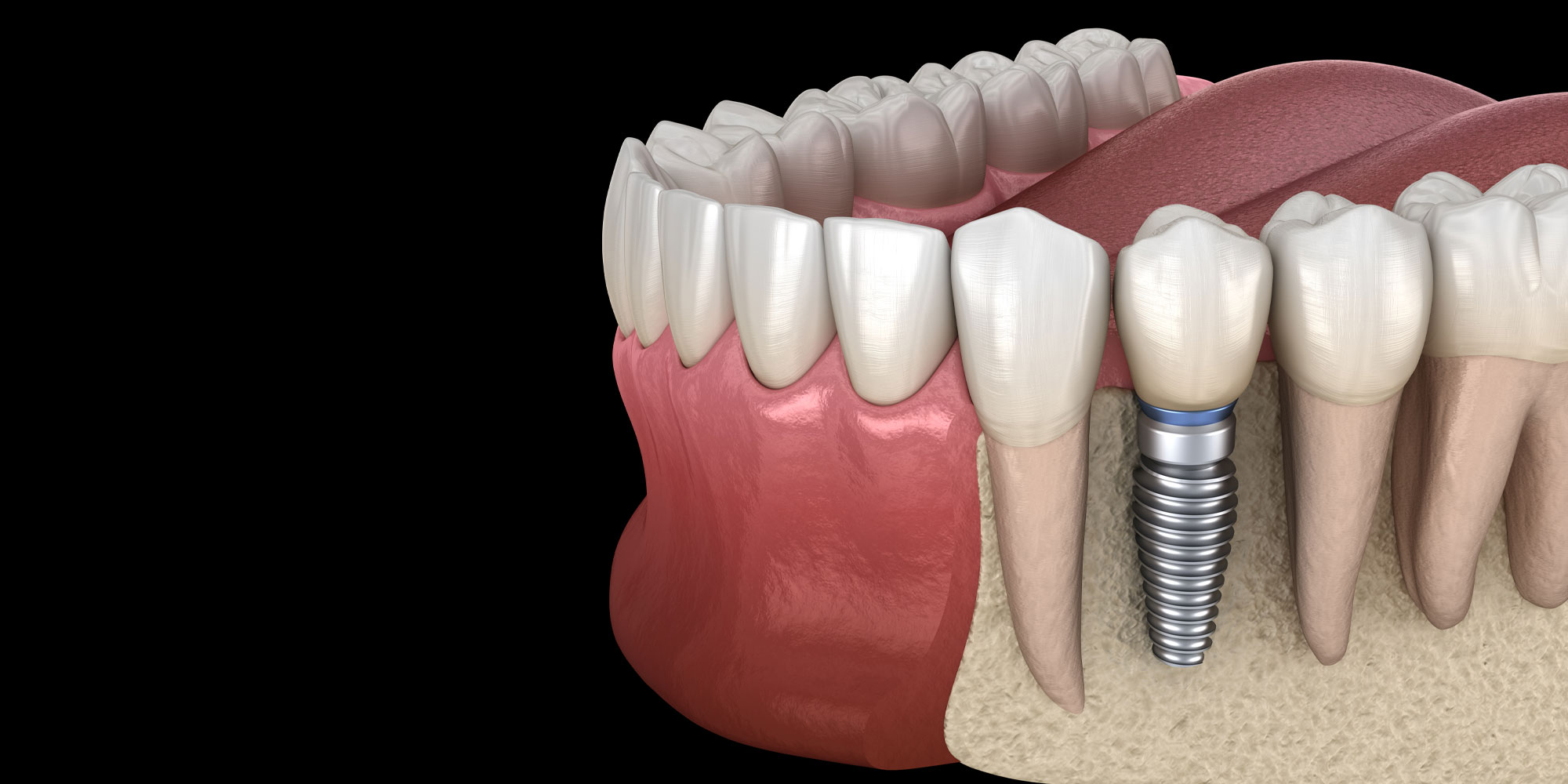
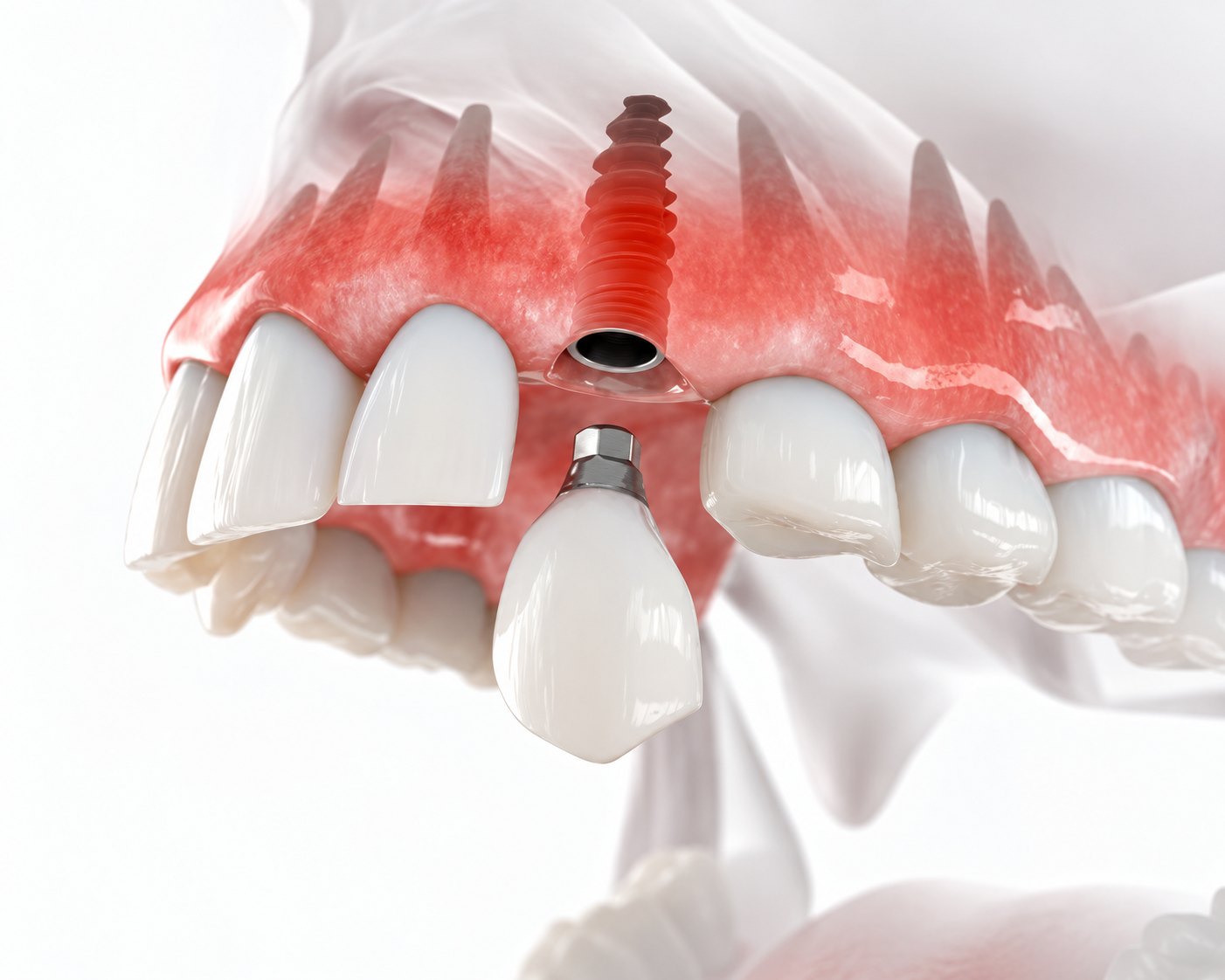
- An implant is the permanent replacement
- A bridge or partial is the alternative
- The plan is made before the tooth comes out
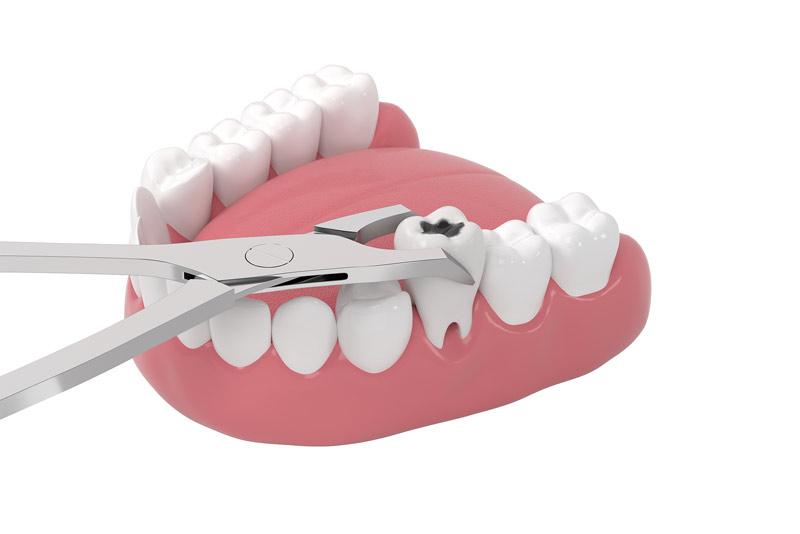
An abscessed tooth does not stay a tooth problem. It reaches the neighbours, the bone, and in some cases the body.
When root canals, gum treatment and restorations cannot save it, extraction is the conservative choice. Most take minutes, and most patients report pressure, not pain.
The first 48 hours.
A clot forms over the socket and protects the bone and nerve beneath. Everything below is about keeping it there.
- Step 01
The first hour
Bite on the gauze for 30 to 60 minutes. No spitting, rinsing, straws, smoking, carbonated or alcoholic drinks for 24 hours. Let your mouth empty passively.
- Step 02
Day one
Cold compresses in ten-minute intervals for swelling. Some oozing is normal for 12 to 24 hours; a hand towel on the pillow helps. Firm pressure on folded gauze or a damp tea bag if bleeding is heavy, and call if it does not subside.
- Step 03
Day two
Expect minor pain, swelling, bruising, some limit on opening, perhaps a sore throat. Rest. No heavy lifting. Brush gently; a lukewarm salt water rinse, not spat out. Over-the-counter relief as directed.
- Step 04
The week after
Soft foods and fluids: yogurt, soup, fish, pasta, nothing spicy. Finish any antibiotics. Sutures come out in 7 to 10 days at a short visit. Call the office with anything unusual.




The extraction is not the last step.
Except for wisdom teeth and teeth removed for crowding, a missing tooth should be replaced. Bone starts receding beneath the socket within months.
A socket graft at the time of extraction slows that loss and keeps the site ready. An implant, a root and a crown, then makes it as if the tooth had never gone.
The whole path is planned before the extraction so nothing is left to chance and no bone is lost waiting.
- Socket preservationGraft placed at extraction
- ImplantThe permanent replacement
- Bridge or partialThe alternatives, explained
- EmergenciesSame-day and next-day visits
Extraction questions.
The area is numbed and sedation is available. Most patients feel pressure during the extraction and mild soreness for a few days afterwards, managed with over-the-counter medication.
A painful complication when the blood clot over the socket is lost and the bone and nerve beneath are exposed. Following the aftercare, especially no spitting, straws or smoking for the first days, is how it is avoided.
No. Impacted, infected, crowding or painful wisdom teeth do. Healthy, fully erupted ones that can be cleaned can stay. An exam and an X-ray decide it.
Sometimes, when the socket is healthy and the bone is good. Otherwise a socket graft is placed and the implant follows once the site has healed.

Do not wait on a toothache.
Same-day and next-day emergency appointments. Call, or send the form.
Same-day emergency appointments