
Leave the fear at the door.
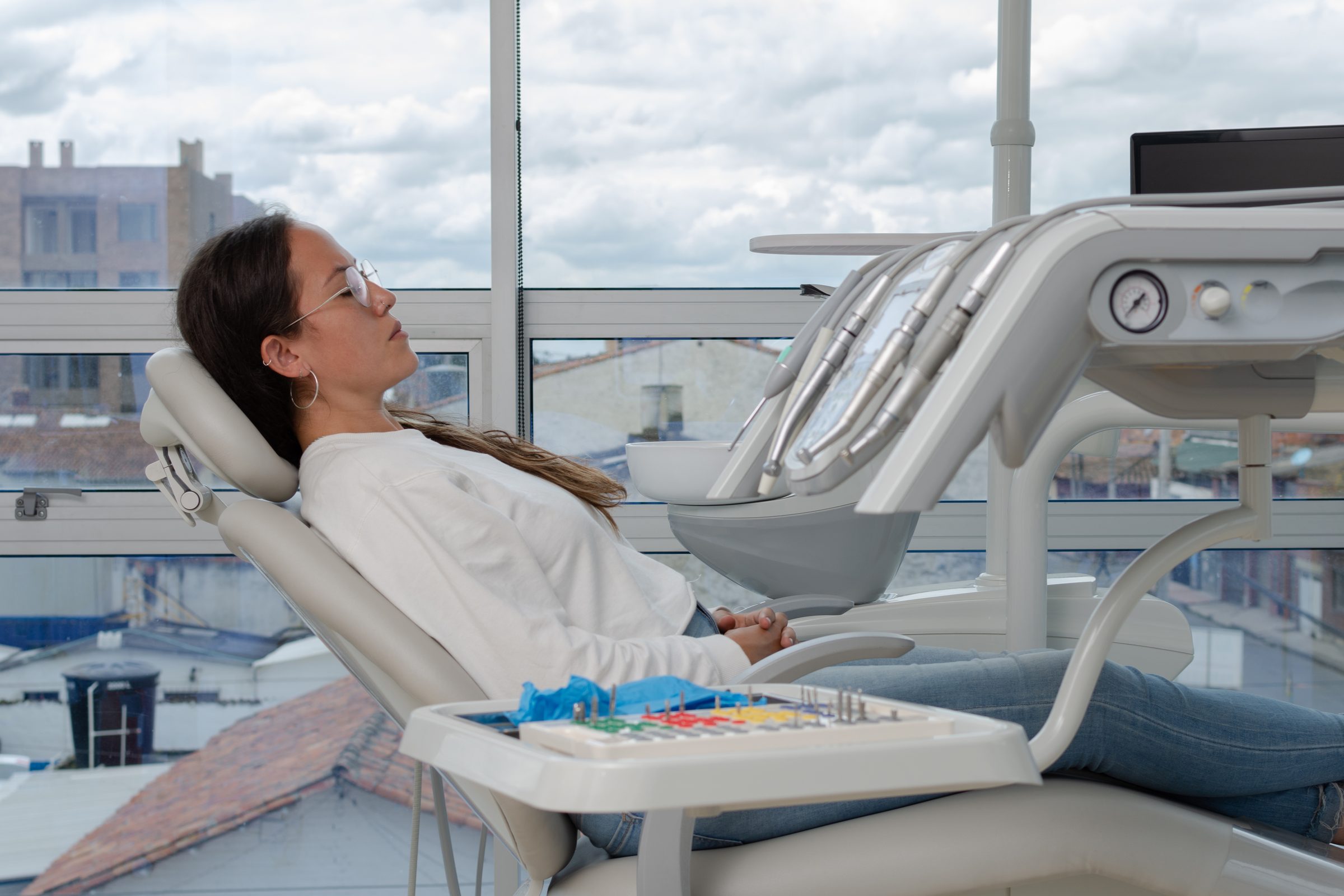
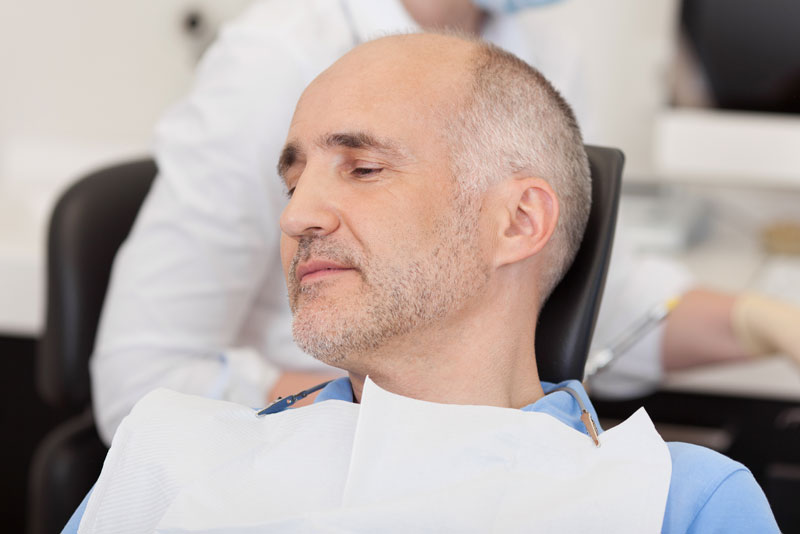
Nervous patients are the rule here, not the exception. IV, oral and nitrous sedation are matched to how anxious you are and how long the work will take.
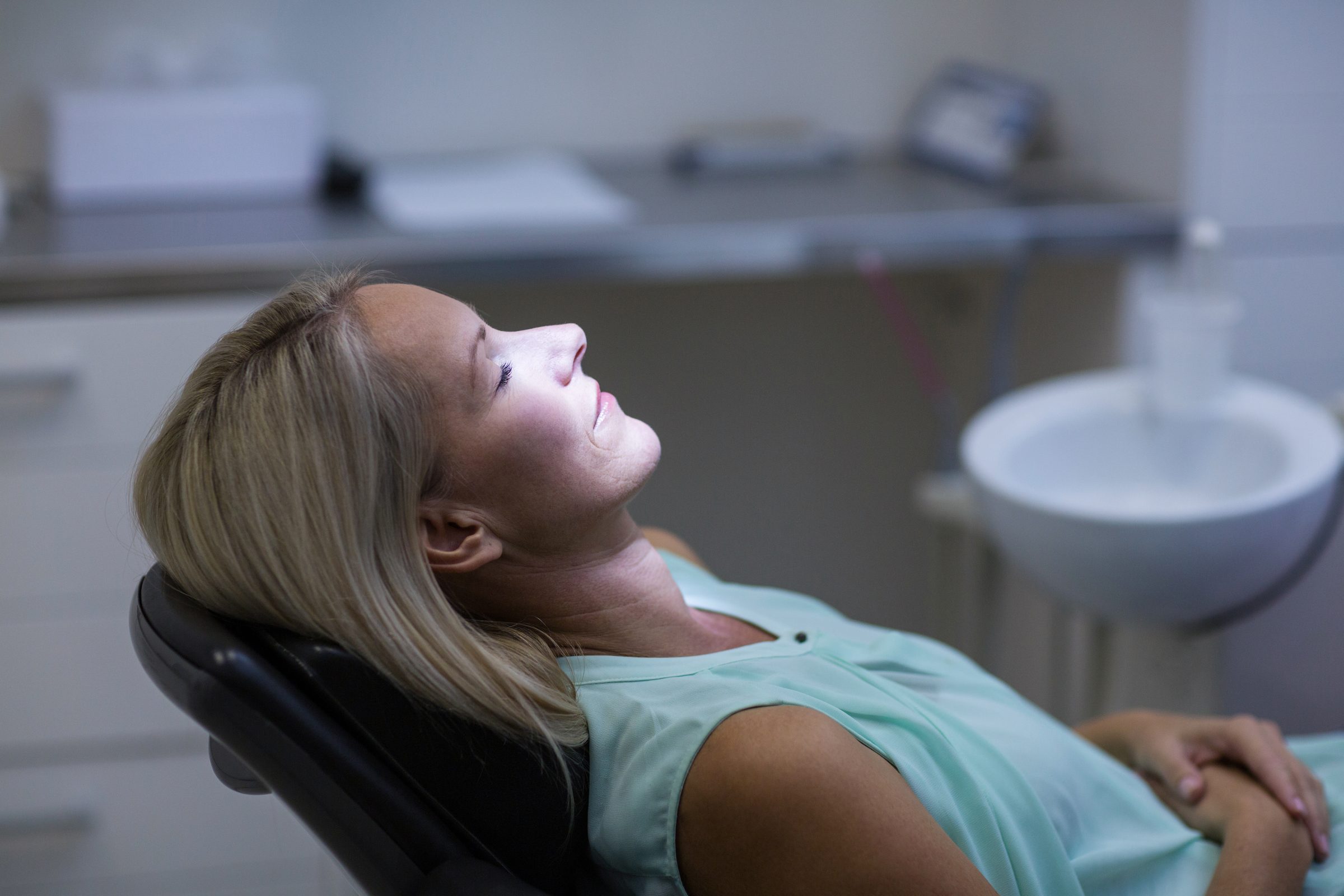
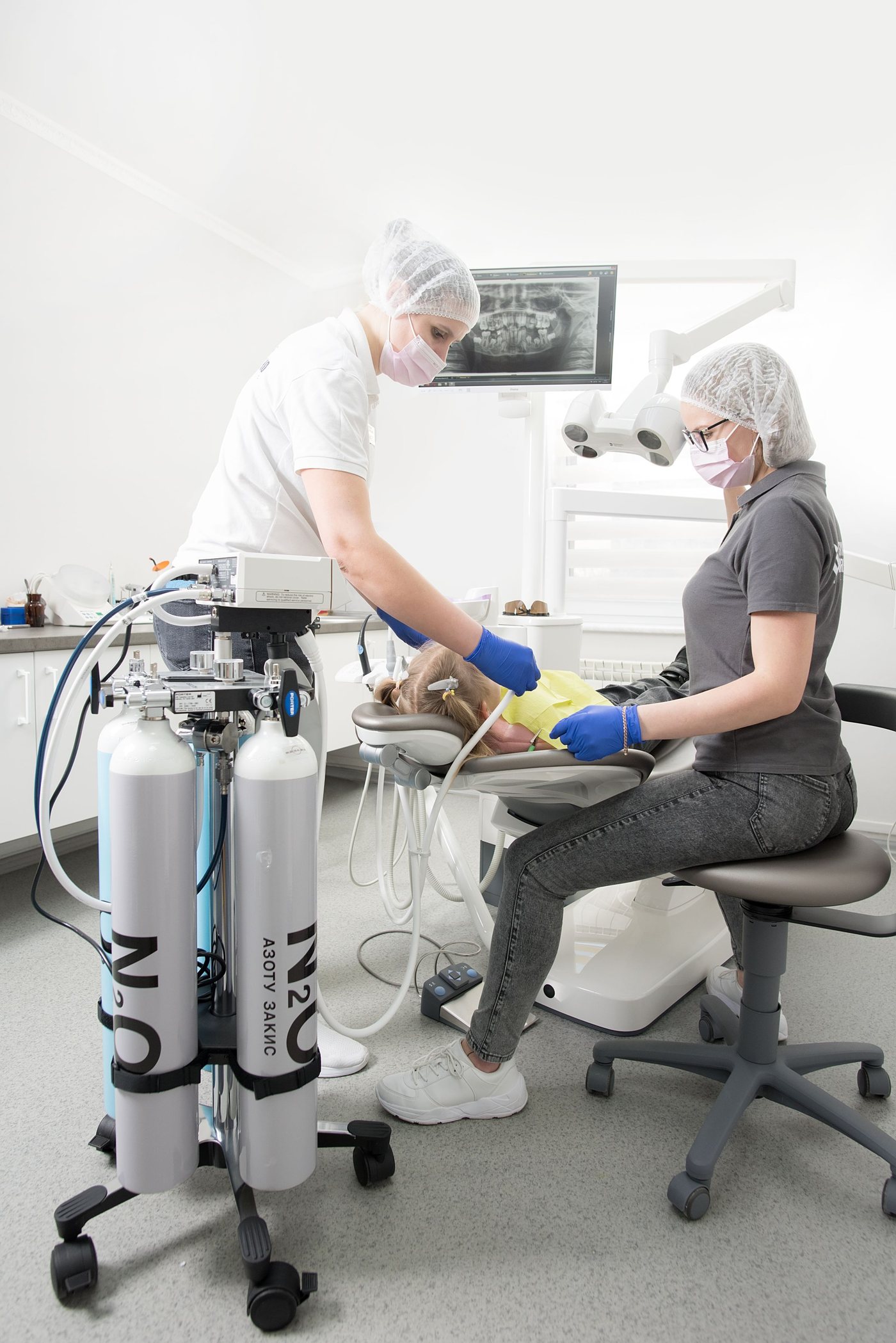
Five reasons people choose it.
- 01Fear of the dentistFrom mild dread to years of avoidance.
- 02Dental anxietyThe sights, sounds and smells of the room.
- 03A sensitive gag reflexImpressions and instruments become tolerable.
- 04A low pain thresholdComfort through the whole appointment.
- 05Several complex treatmentsCombined into one efficient visit instead of many.
Fear keeps people out of the chair for years. Decay becomes gum disease, gum disease becomes tooth loss, and the bacteria do not stay in the mouth.
Sedation is the way back in. Most patients who have IV sedation remember little or nothing of the appointment, and wake up with the work done.
Three levels of calm.
Chosen with you at the consultation, based on your anxiety, your health and the procedure.
Nitrous oxide
Laughing gas
- Breathed through a small mask
- Takes the edge off within minutes
- Wears off minutes after it stops
- You can drive yourself home
Oral sedation
A pill
- Taken before the appointment
- Deeply relaxed, still responsive
- Lasts a few hours
- Someone drives you home
IV sedation
The deepest option
- Given intravenously and adjusted through the visit
- A sleep-like state, with amnesia for most of it
- For severe anxiety and long or complex surgery
- Someone drives you home
Calm is designed in, not added on.
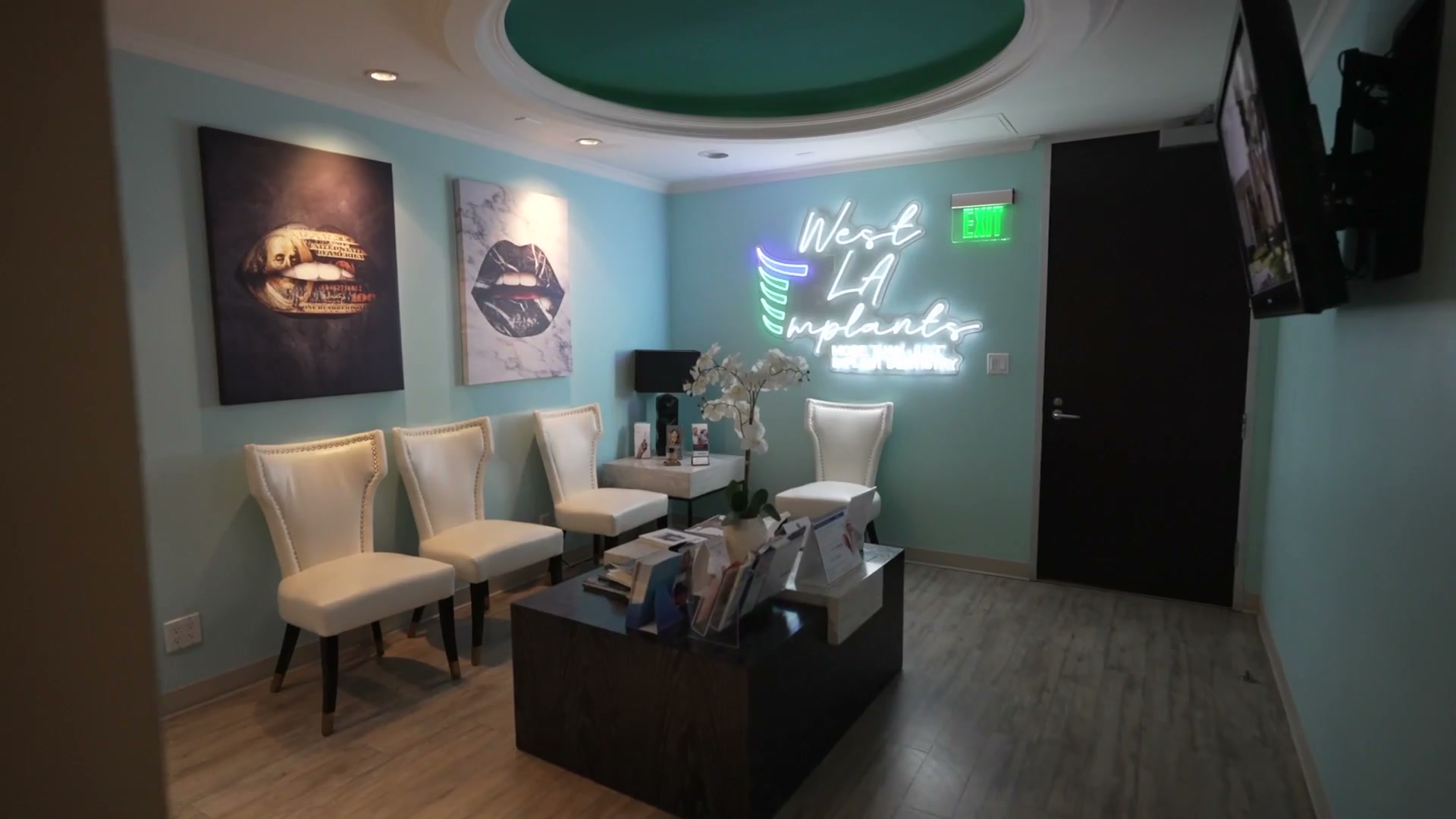
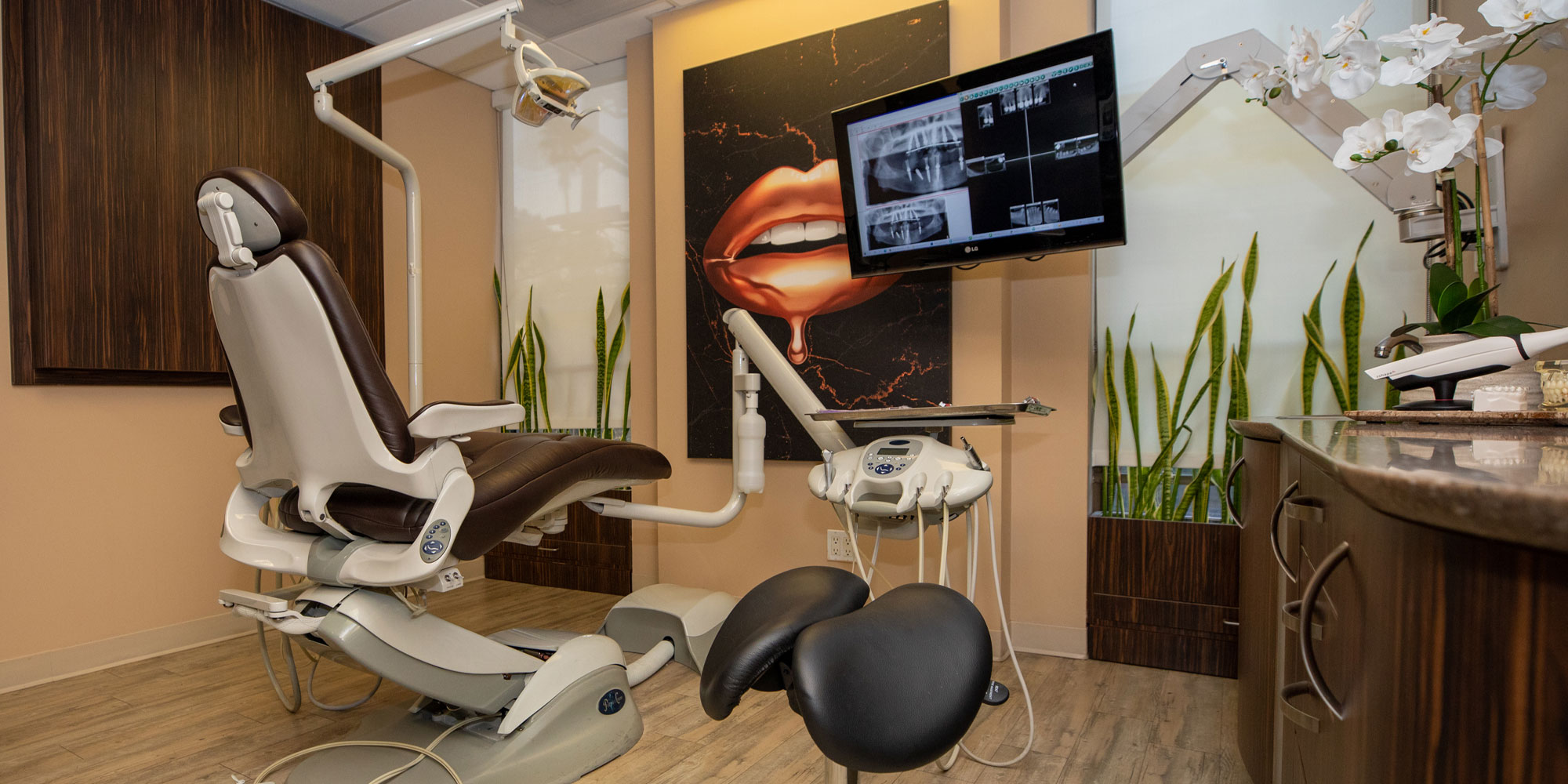
Blankets and pillows, noise-cancelling headphones, a television with Netflix, a team that speaks English and Spanish, and a doctor who does complex cases every day.
Sedation is also how the practice combines an extraction, a graft and an implant into one appointment instead of three, which for an anxious patient is the whole point.
Health and safety first: every sedation case starts with a medical history, and a member of the team monitors you throughout.
- MonitoredThroughout the visit
- AmenitiesBlankets, headphones, Netflix
- BilingualEnglish and Spanish
- Combined visitsFewer appointments overall
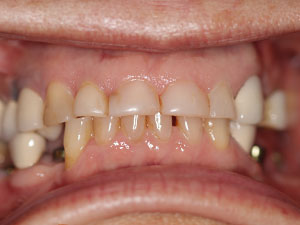 Before
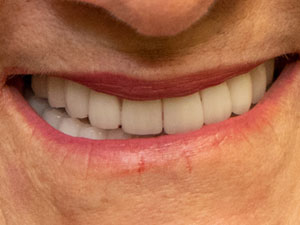 After
Through it, and out the other side.
“I felt like the old me because of my crowns and dental implants.”
Emily had crowns and implants placed under sedation. Her film is on the practice’s channel.
Sedation questions.
Under IV sedation you are in a sleep-like state and most patients remember little or nothing, though you are not under general anaesthesia and can respond. Oral sedation is lighter; nitrous lighter still.
Yes, for healthy patients, with a medical history reviewed first and monitoring throughout. Some conditions and medications change which option is right, which is what the consultation is for.
After nitrous, yes. After oral or IV sedation, no: bring someone to drive you home and plan to rest for the day.
Not necessarily. Local anaesthetic is enough for many patients. Sedation is offered for anxiety, for long or complex surgery, and for anyone who simply prefers not to be aware of it.
Sometimes partly, depending on the plan and the procedure. The front desk checks benefits before the visit.
Schedule the one you’ll keep.
Tell us how you feel about the dentist. The plan starts there.
Same-day emergency appointments