
Losing your smile? Get it back, and more.
A limited diet, unclear speech, a hand over the mouth, a face that starts to look sunken. Tooth loss takes small freedoms one at a time. Every one of them can be returned.

Severe bone loss is reversible.
Many patients arrive having been told they no longer qualify for implants. The bone can be rebuilt.
- Step 01
Why it happens
Roots stimulate the jaw when you chew. Lose the root and the jaw loses its function and deteriorates. Dentures do not replace roots, so they do not protect the bone. Advanced gum disease eats bone directly.
- Step 02
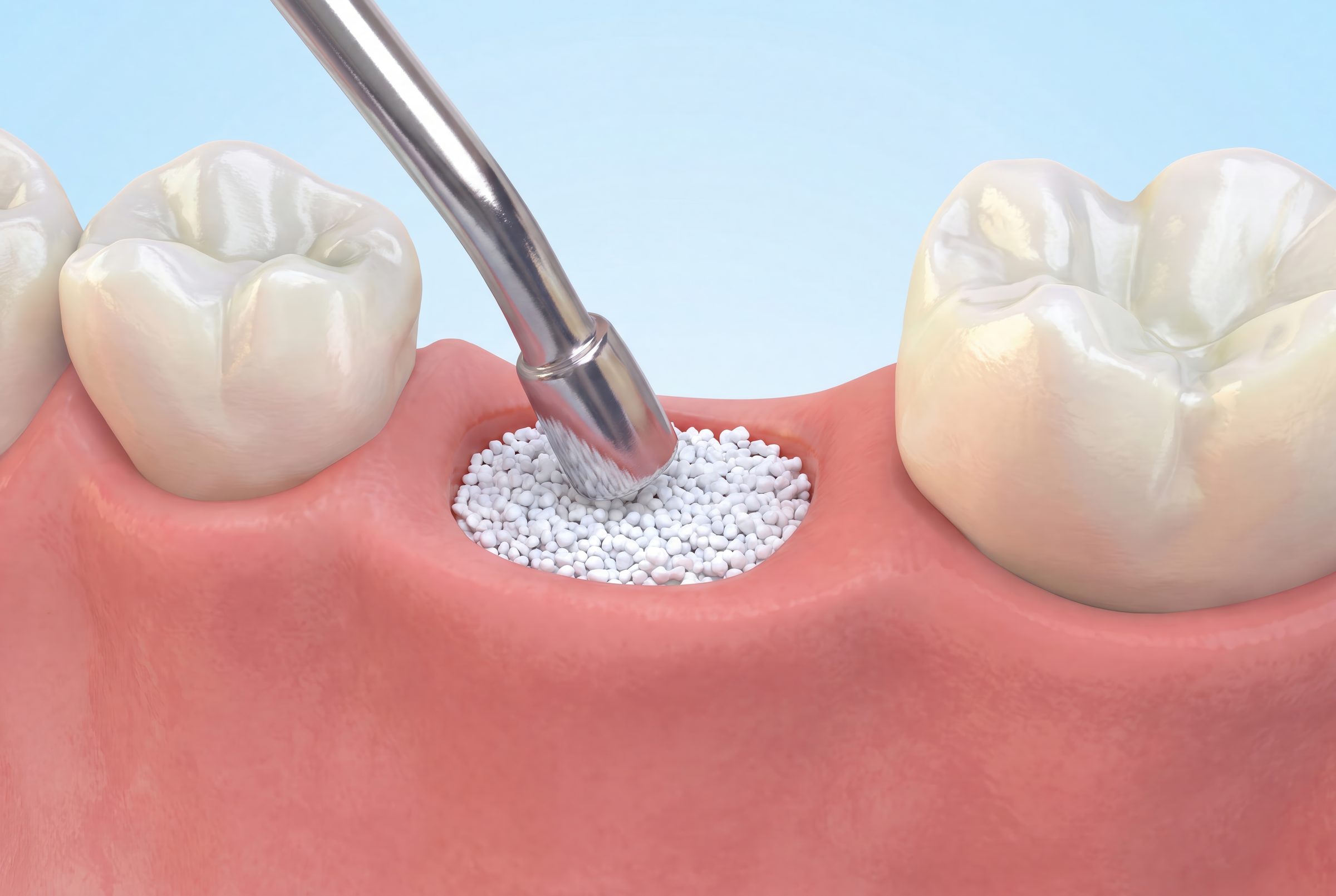
Grafting
Bone material from you or a donor source is placed where the ridge has receded and fuses with the existing bone to restore height and width.
- Step 03
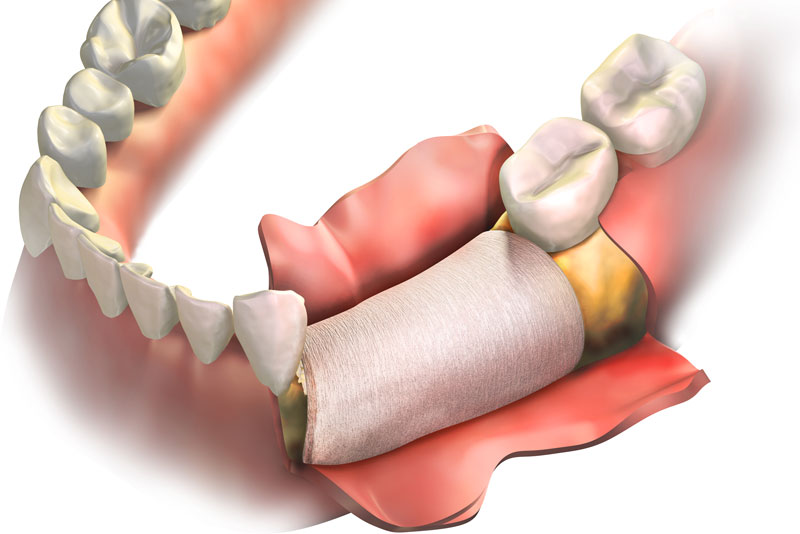
Ridge splitting
When the ridge is too narrow, it is divided and graft material placed in the middle, so it heals wider and deeper and can hold an implant securely.
- Step 04
The implant
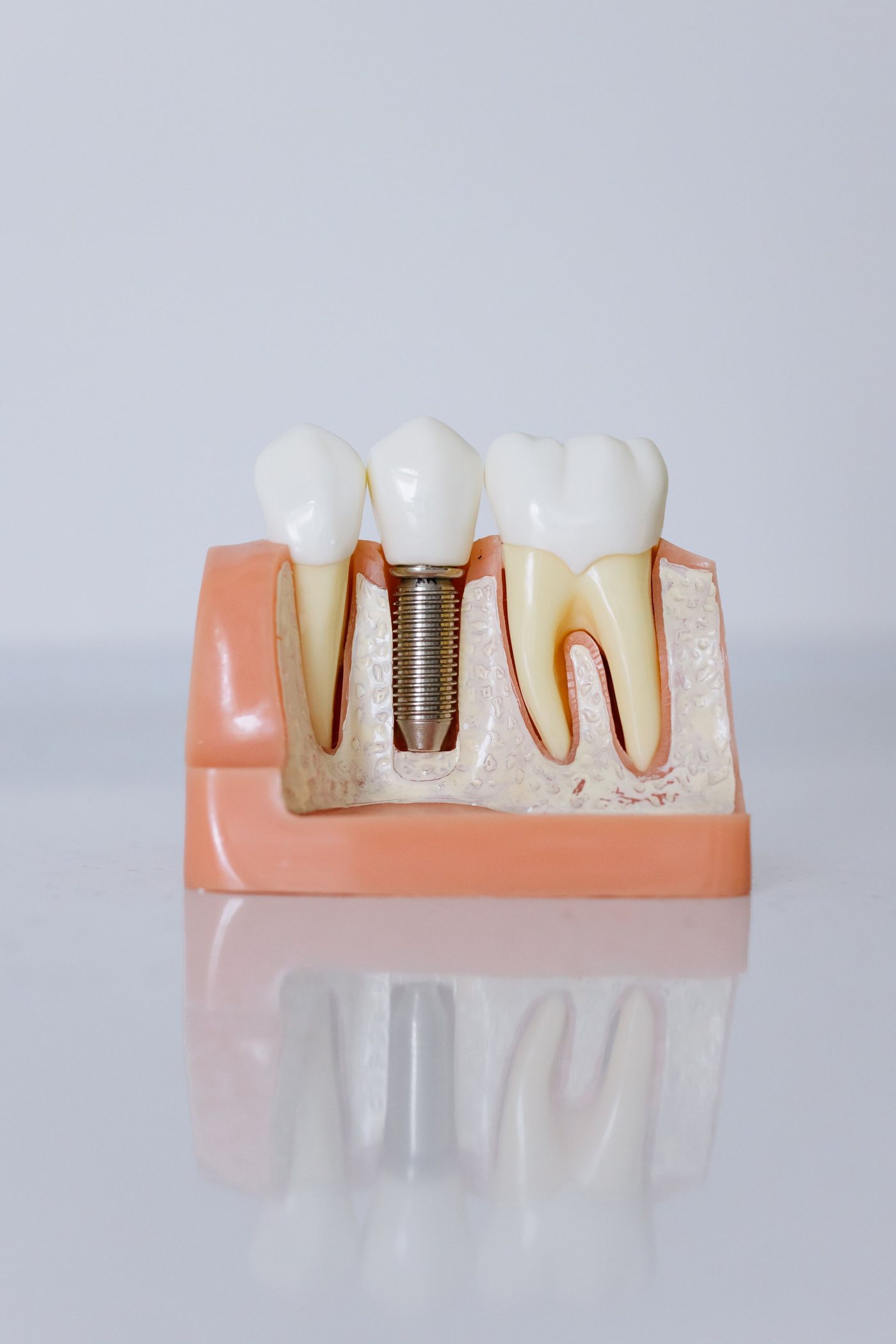
Once the bone is solid, implants restore function, protect the jaw from further recession, and let you eat, speak and smile comfortably again.

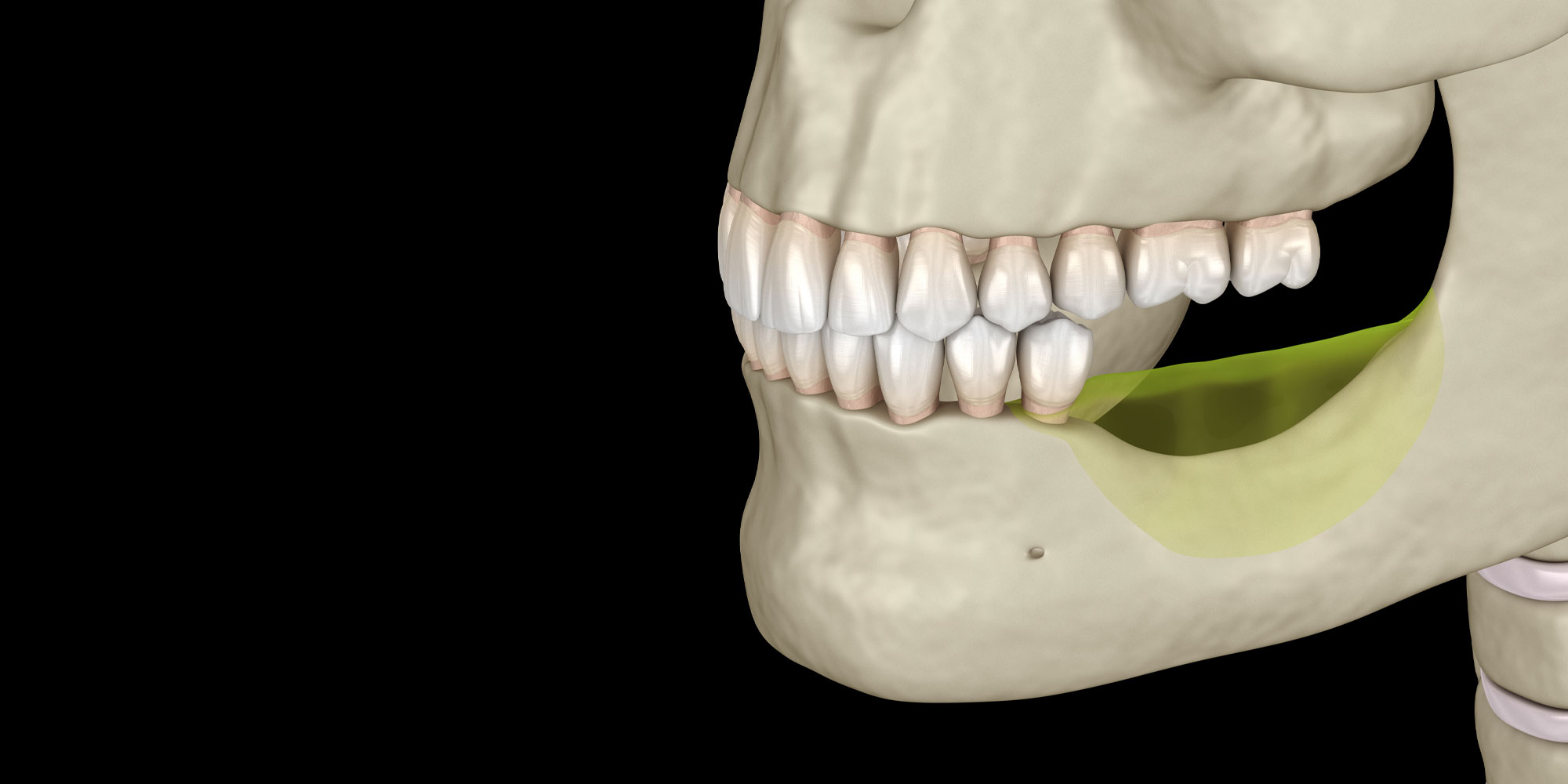
Tooth loss starts a chain. Without a root, the bone beneath the socket deteriorates, it spreads, the neighbours loosen, and the jaw and the face change shape.
Replacing a tooth early prevents the bone loss. Replacing it late means rebuilding the bone first. Both are done here, and both end the same way.
Every way to replace a tooth.
Three choices. Only one puts a root back in the bone.
Bridge
Fixed on neighbouring teeth
- Crowns fused together spanning the gap
- Requires grinding the abutment teeth
- Does not prevent jawbone loss
- Lasts five years or more
Denture or partial
Removable
- Rests on the gums, held by suction or adhesive
- Economical, time-tested
- Limited food choices
- Allows the bone to recede
Dental implants
Fixed, with a root
- One tooth, several, or a full arch
- Prevents jawbone loss
- Unlimited food choices
- Lasts decades
Implant-supported dentures sit between the last two: removable or fixed, on two or more implants, with limited bone loss and a wider diet than a conventional denture.
The end of slipping, sore spots and paste.
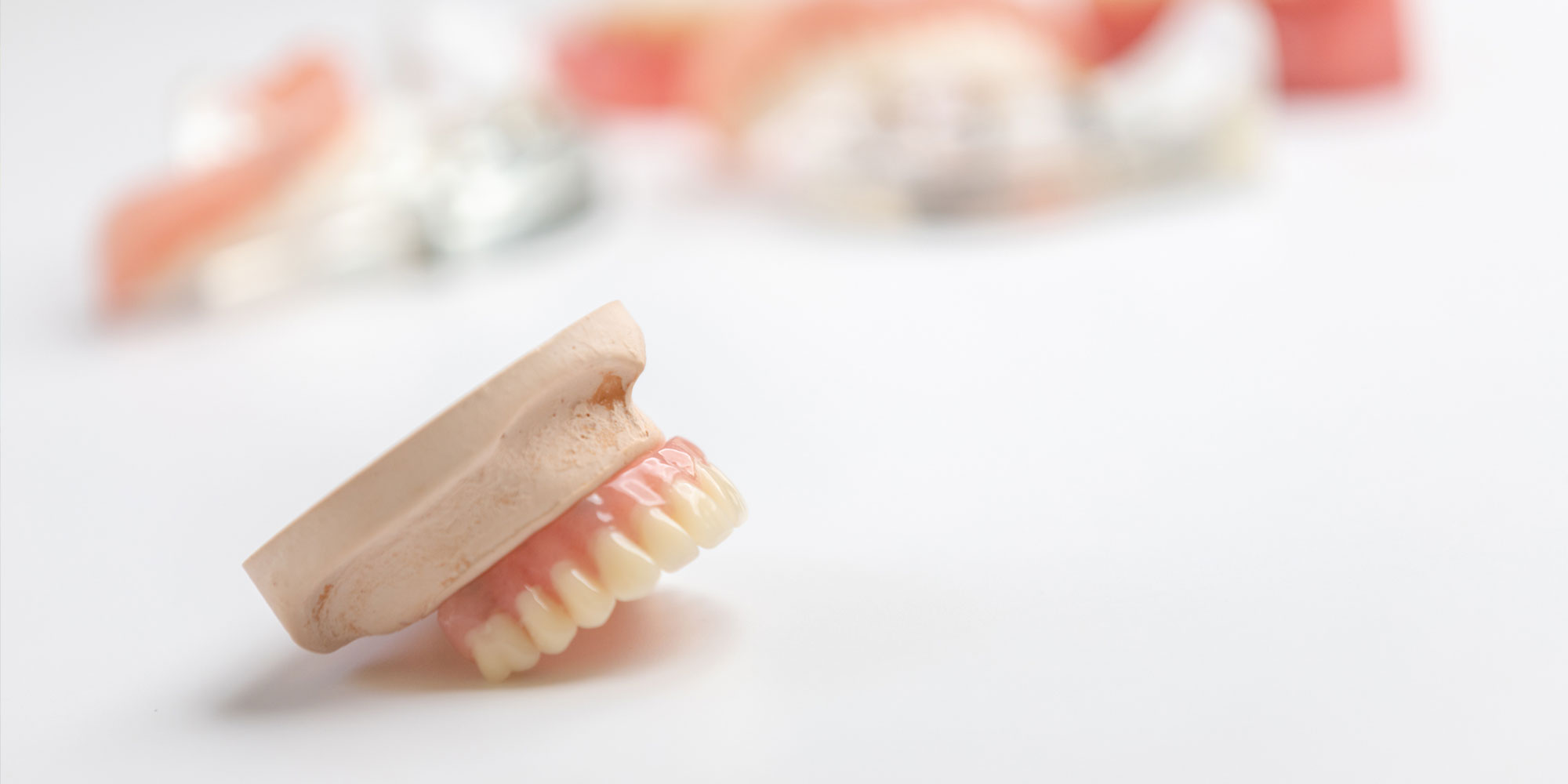
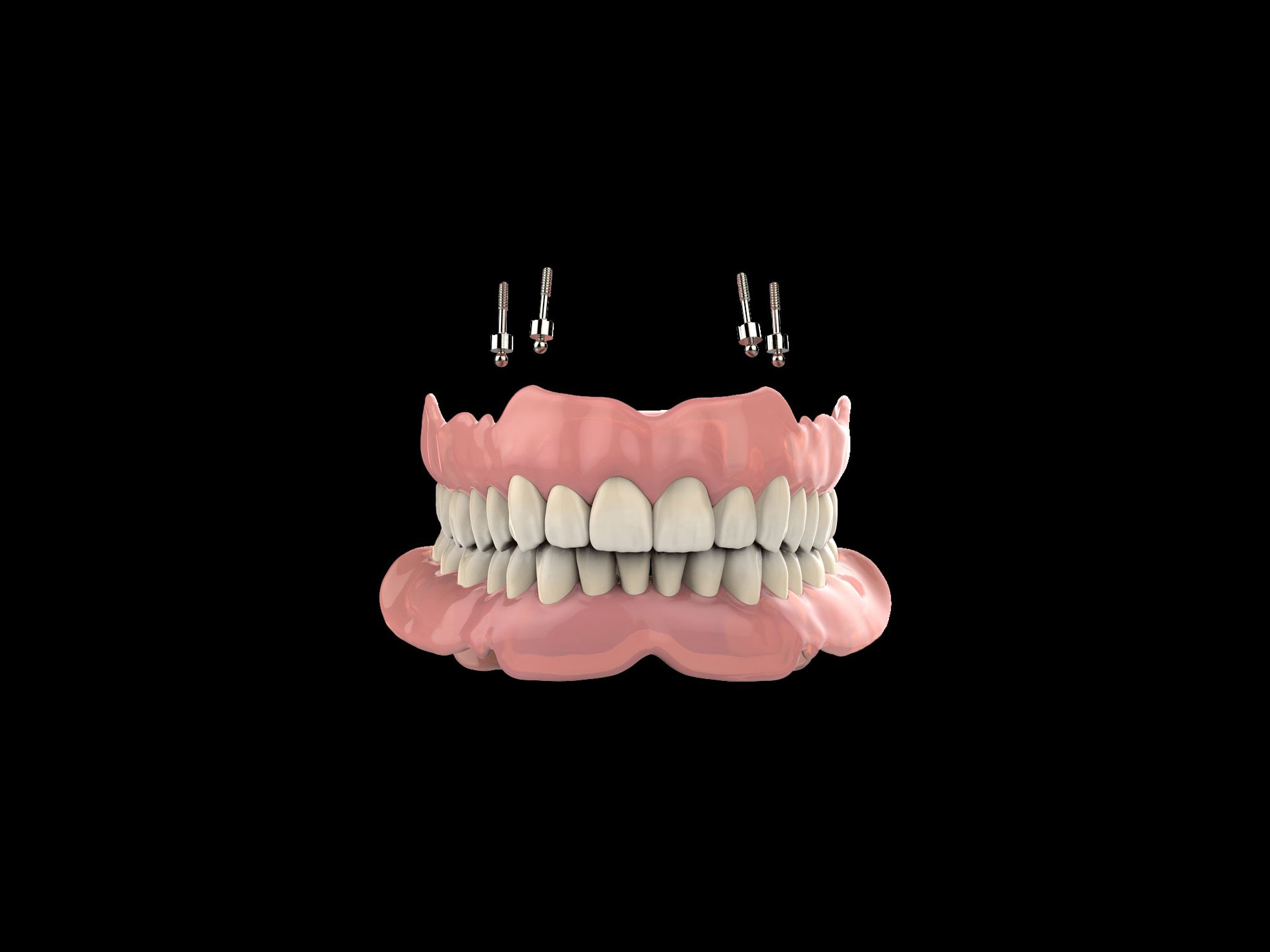
Dentures come loose because the ridge under them keeps shrinking. Implants stop the shrinking and hold the denture still.
Implant-supported dentures snap onto two or more implants and can be removed for cleaning. A fixed full arch on four or more implants never comes out at all.
Either way: carefree meals and conversation, no adhesive, no gum irritation, and a jaw that keeps its bone.
- Snap-onTwo or more implants
- Fixed archFour or more implants
- No pastesEver again
- Bone preservedImplants replace the roots


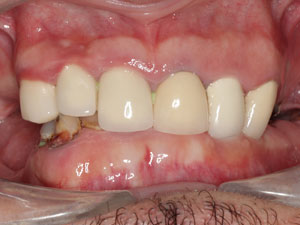 Before
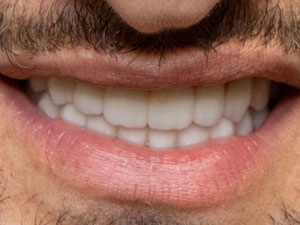 After
A whole mouth, rebuilt.
“I have teeth again thanks to my full mouth reconstruction.”
Michael arrived with failing teeth and left with a full mouth reconstruction. His film is on the practice’s channel.
Missing teeth questions.
Unless it was a wisdom tooth or removed for crowding, yes. Bone starts receding beneath the socket within months, neighbours drift, and the bite changes. Replacing it early is simpler and cheaper than rebuilding later.
Bring the scan, or have one taken here. Grafting, ridge augmentation and sinus lifts rebuild bone routinely, and the second opinion is free.
A fixed arch on four or more implants restores nearly all bite force and lasts decades. An implant-supported denture is the removable alternative at a lower cost. The comparison above sets them side by side.
Often it can be adapted to snap onto new implants, keeping the shape you know and lowering the cost.
Ready to have your smile back?
A 3D scan shows exactly where the bone is and which options are open. The second opinion is free.
Same-day emergency appointments