
Your gums are the foundation.
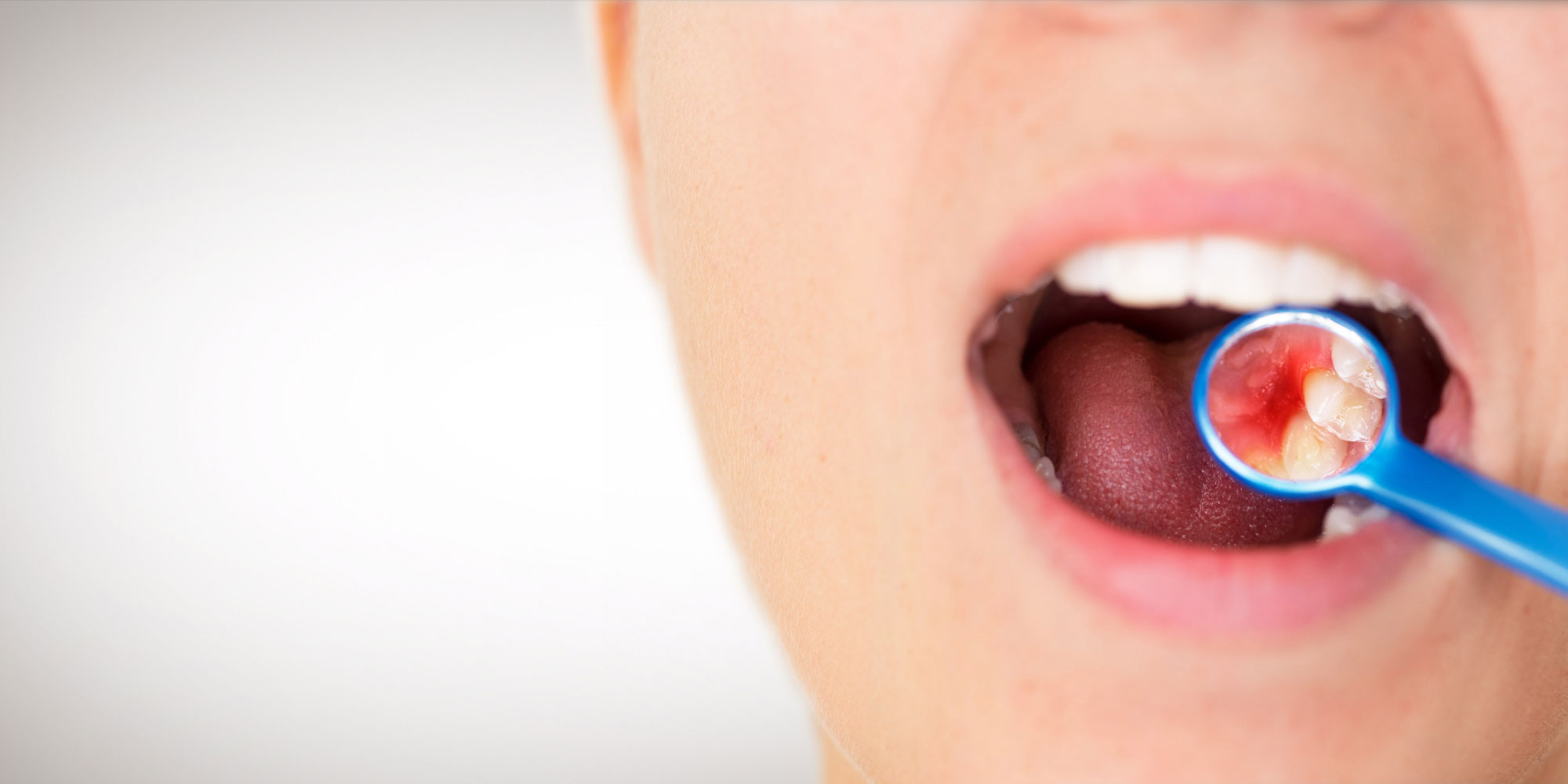
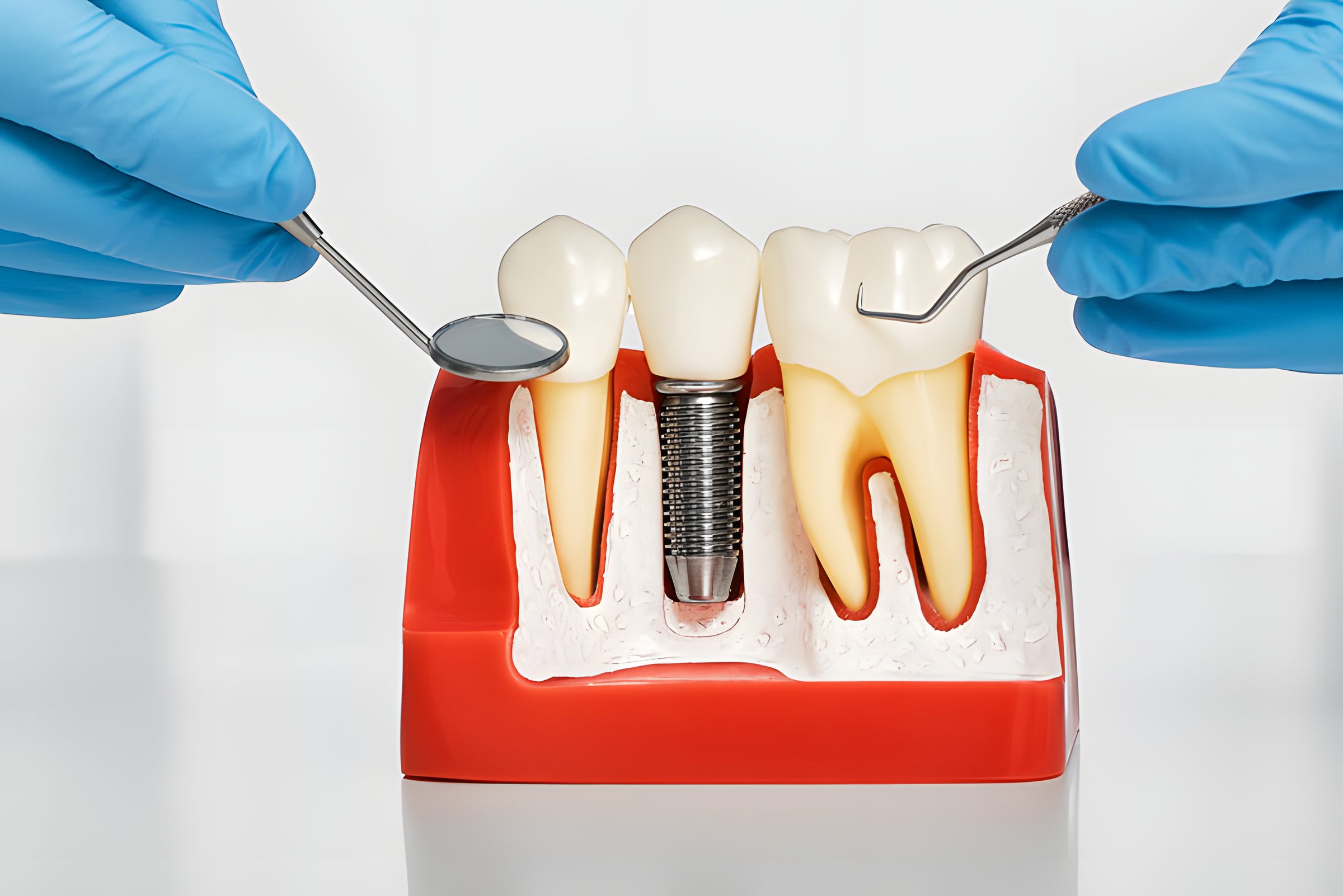
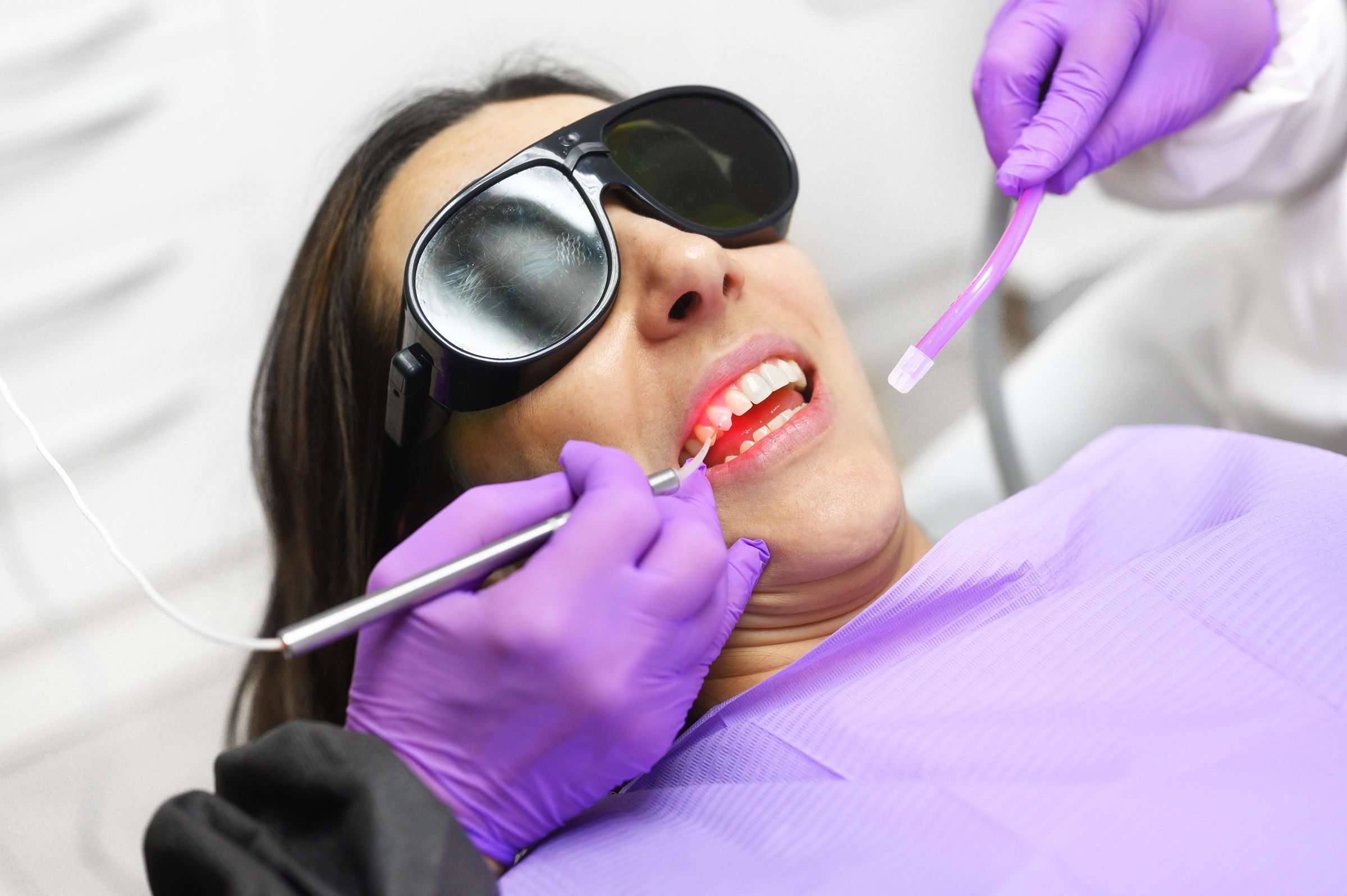
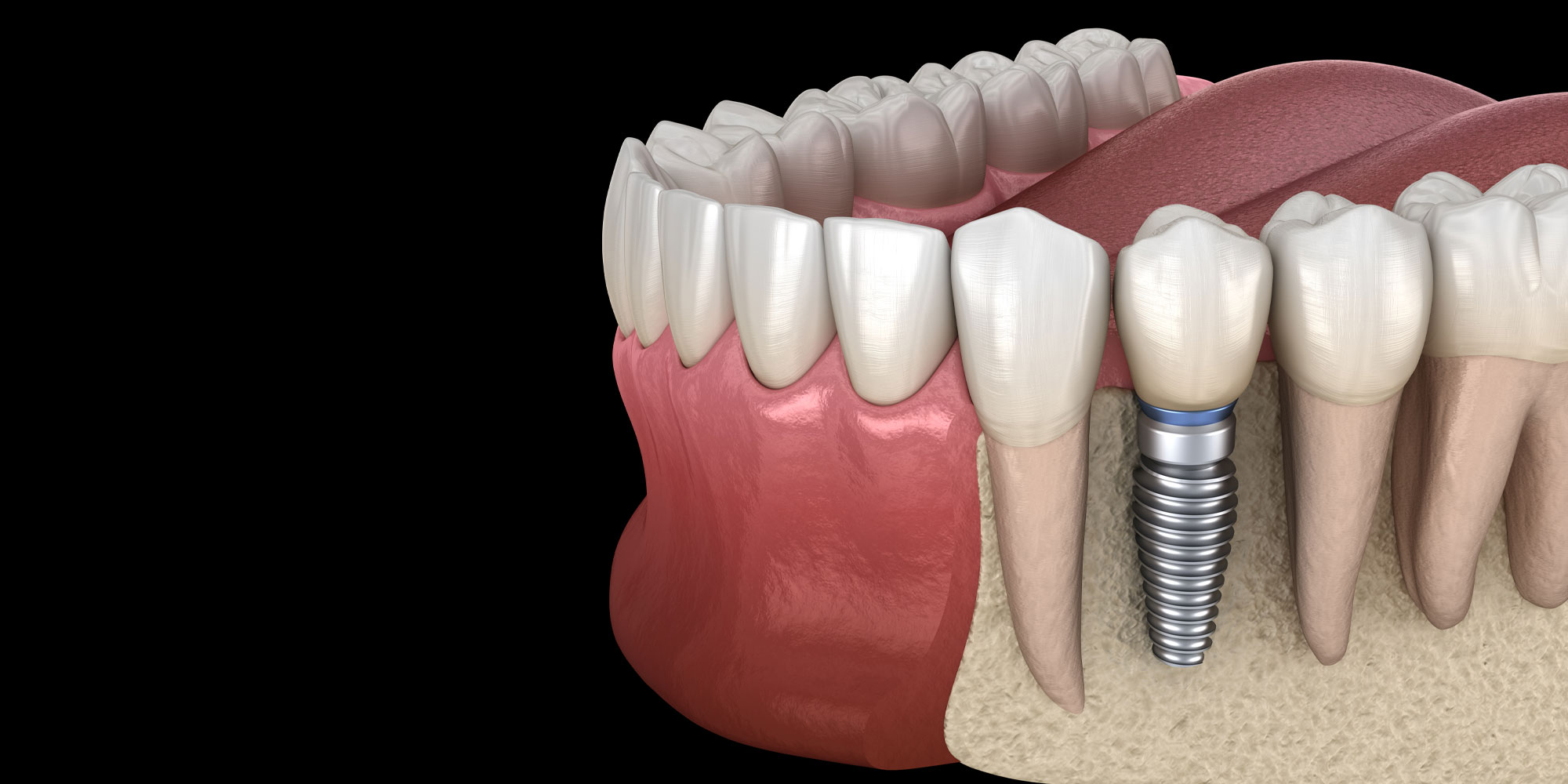
Teeth and implants stand in gum and bone. Periodontal disease takes both, quietly. The practice treats it with a diode laser, which means less scraping, less pain and faster healing.
Six treatments, most of them laser.
- 01Scaling and root planingLaser removal of plaque and tartar above and below the gum line, with less scraping and discomfort than the traditional method.
- 02Osseous surgeryPocket reduction: the gum is lifted, bacteria removed from the pockets, and the gum closed and dressed to heal. A minor surgery with outsized results.
- 03GingivectomyFor advanced disease where the gum has pulled away: infected tissue is removed and the gum reshaped to save the teeth.
- 04Crown lengtheningLaser removal of excess gum over the crowns of the teeth, for a gummy smile and for tissue that is prone to infection.
- 05Gingival graftsGum tissue grafted onto areas of recession to cover roots and save natural teeth.
- 06FrenectomyRelease of a tight lip or tongue tie to restore full range of motion in the mouth.
Gingivitis becomes periodontitis, then bone loss, then tooth loss. The same bacteria are linked to diabetes, blood pressure and heart disease.
Even with implants, the gums around them can get the same disease. Keeping them healthy is what keeps the implant.
What a periodontal visit looks like.
- Step 01
Measuring
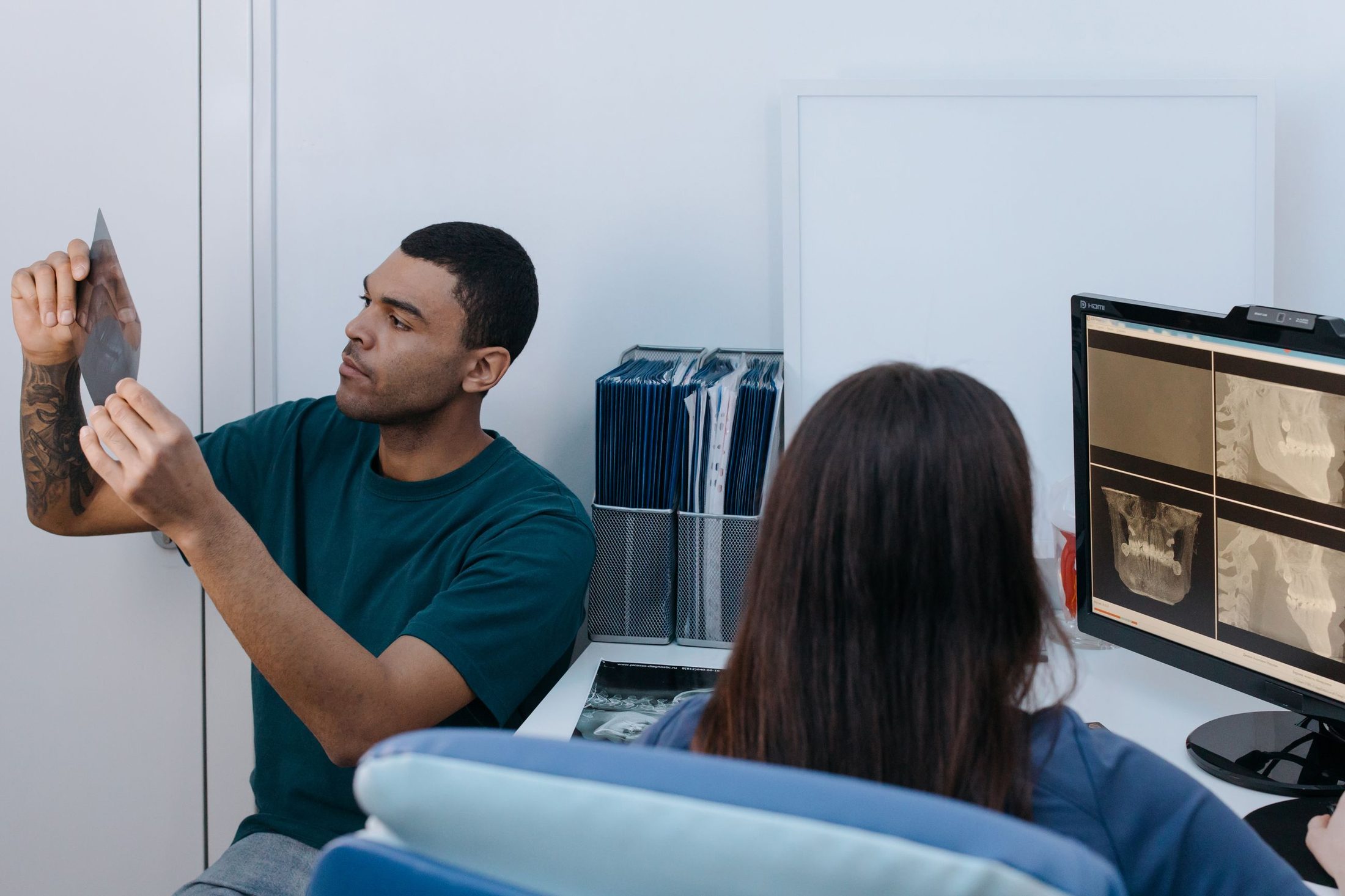
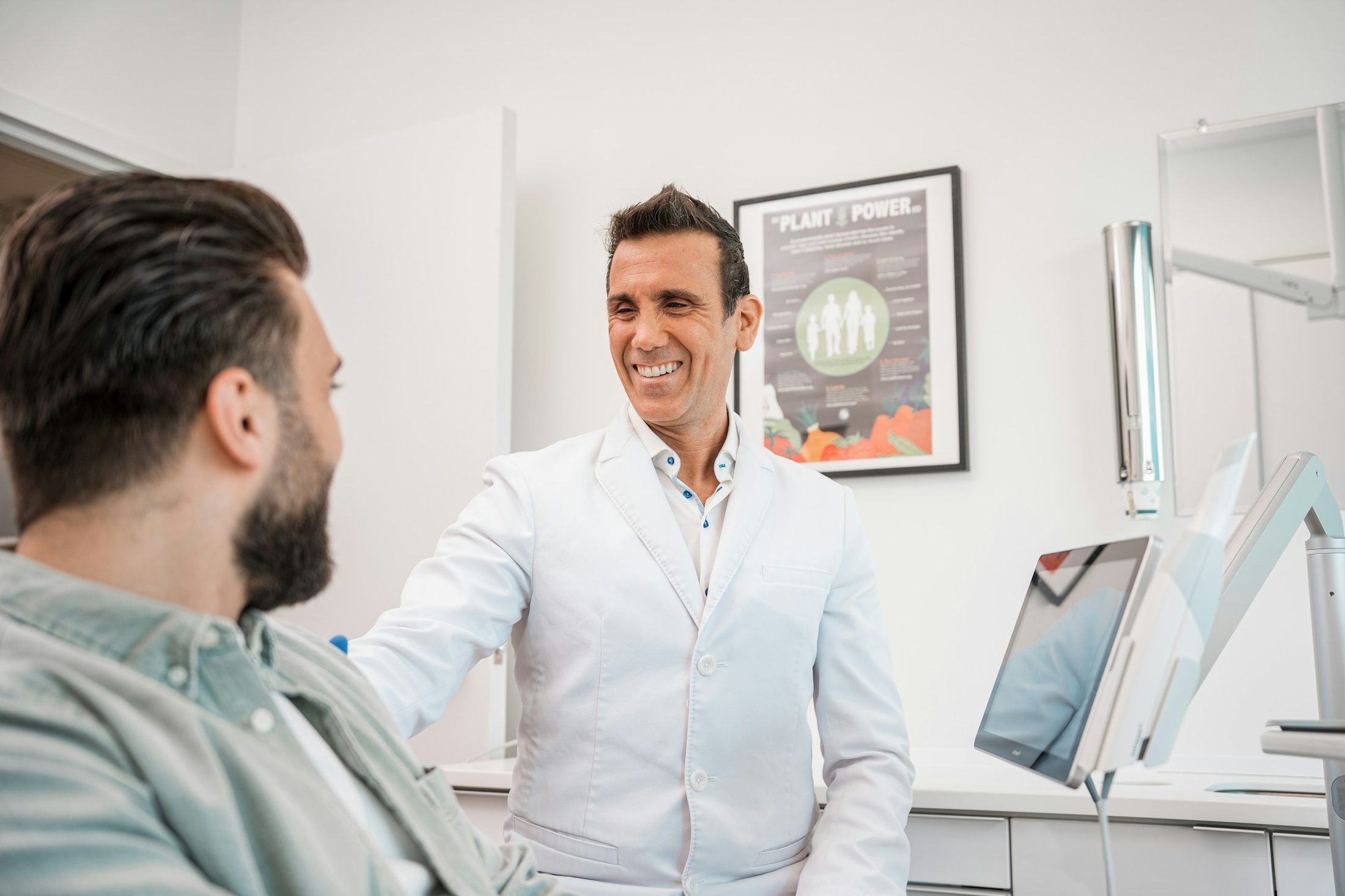
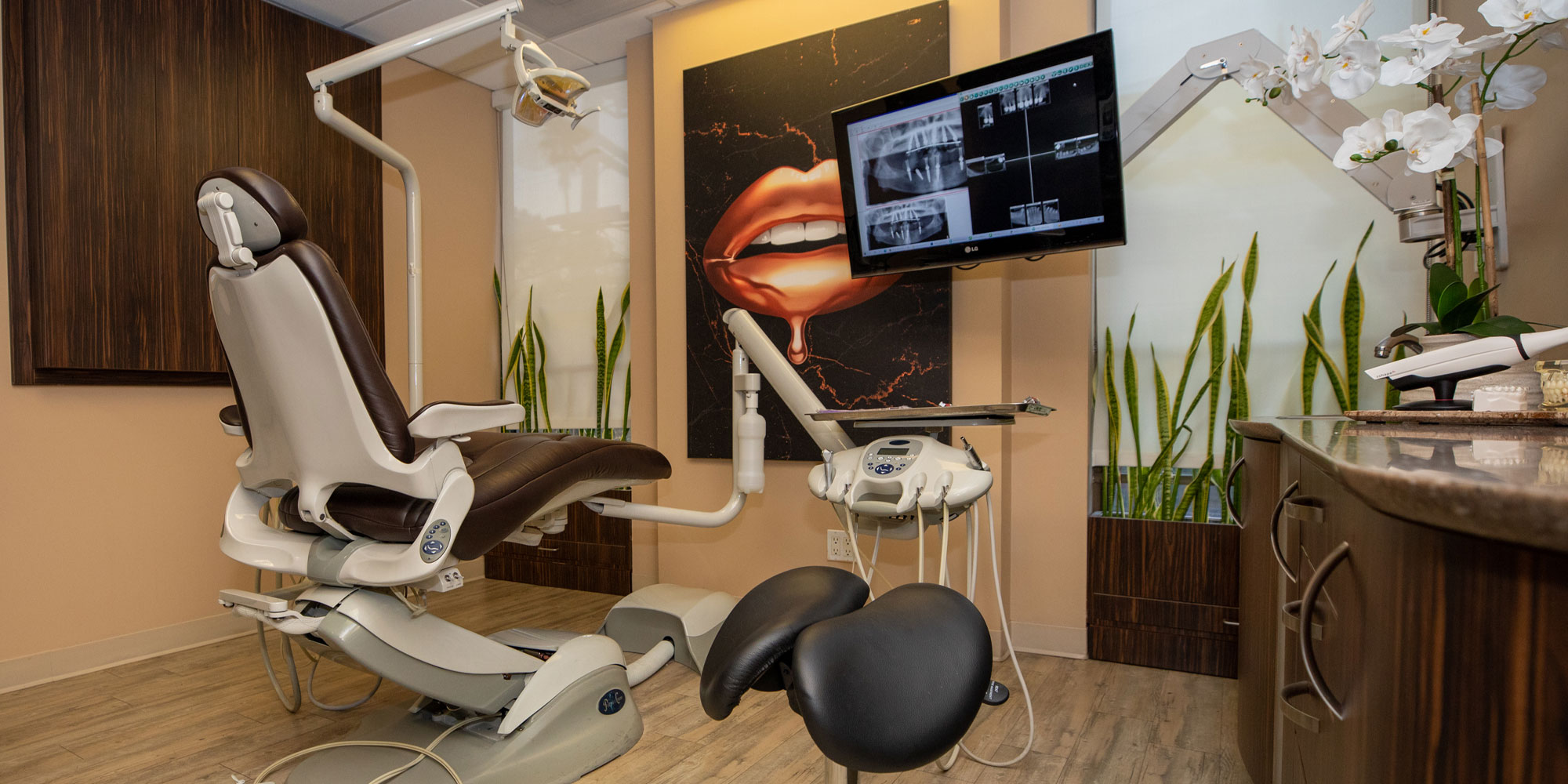
Pocket depths around every tooth and implant, X-rays for bone levels, and intraoral camera images you can see on screen.
- Step 02
The plan
Which pockets need laser scaling, which sites need surgery, and how often you should be seen. Emergencies change the order; the plan does not change the goal.
- Step 03
Treatment
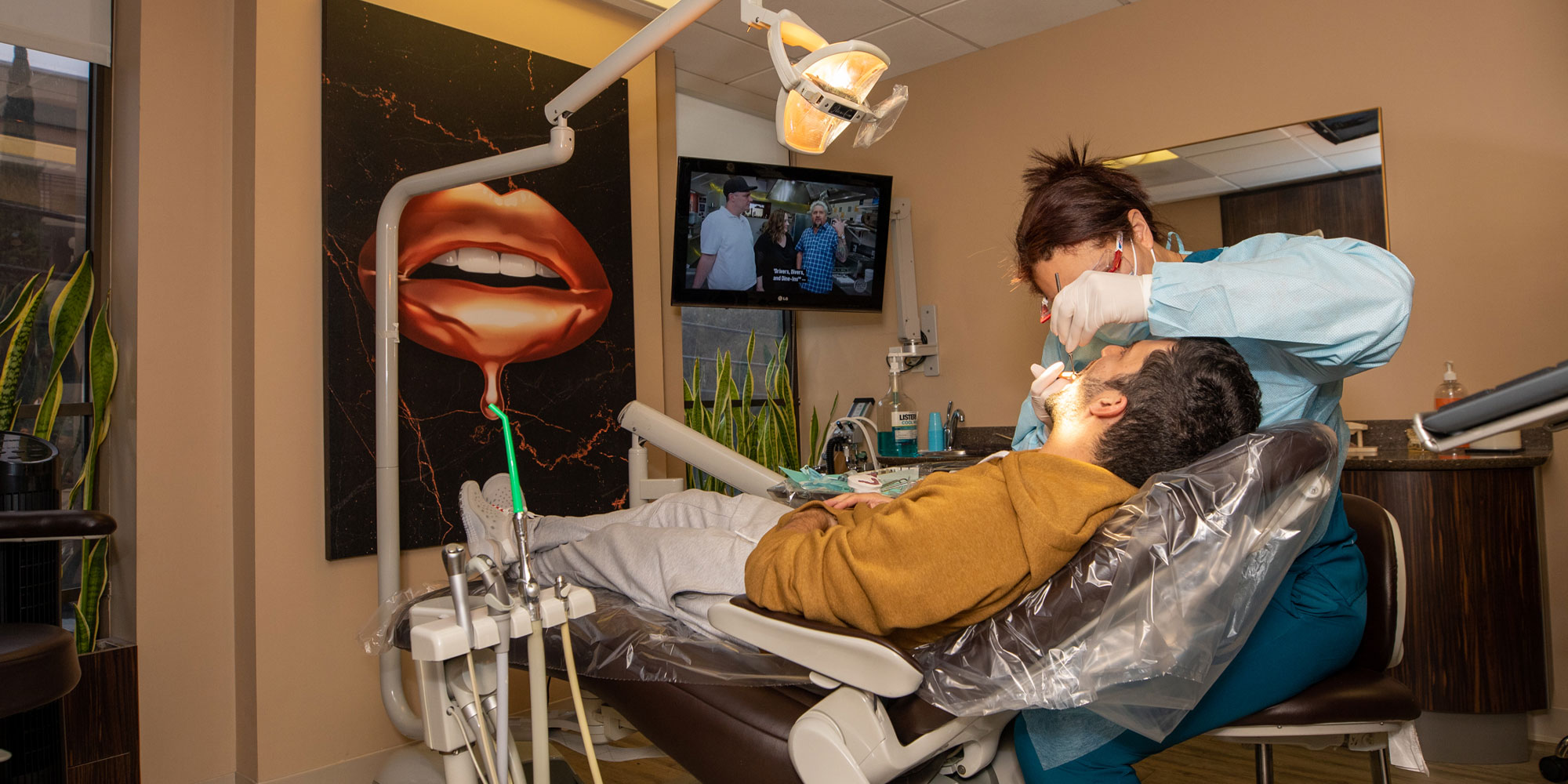
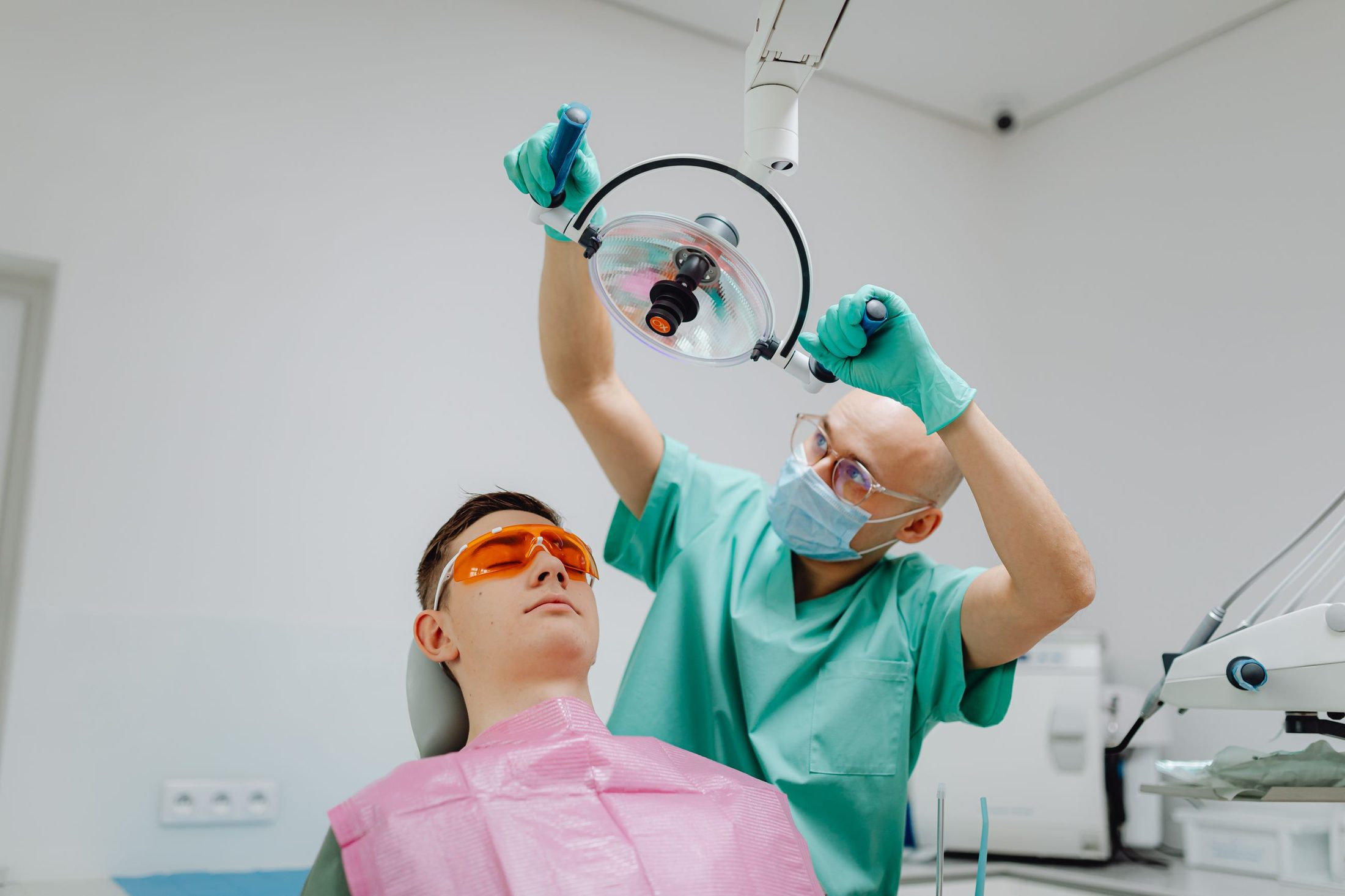
Local anaesthetic, sedation if you want it. Laser scaling in one or two visits; surgical procedures scheduled as needed.
- Step 04
Maintenance
Periodontal maintenance visits, typically every three to four months, to keep the pockets closed and the bone where it is.

Gum health is implant health.
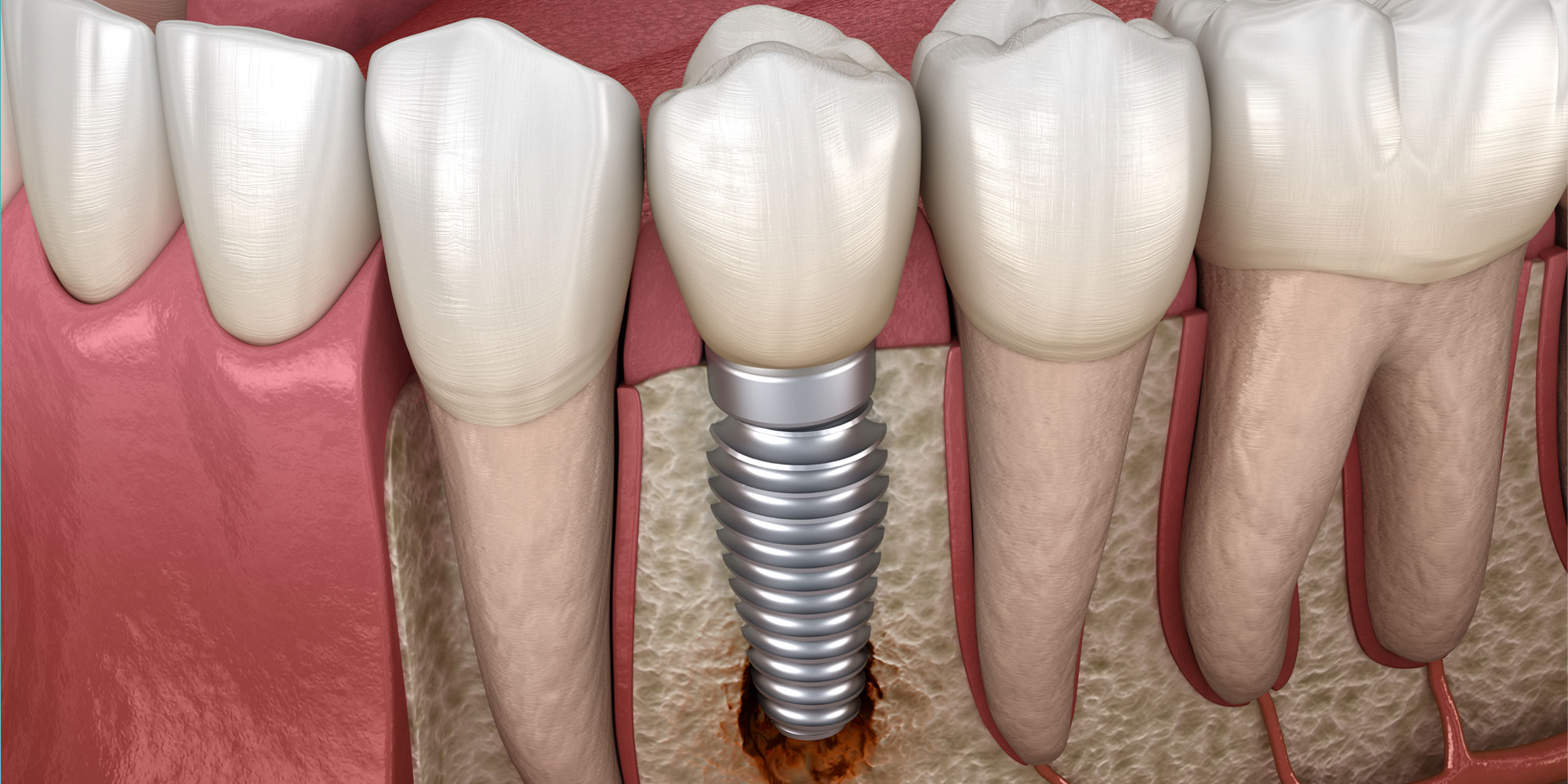
Peri-implantitis is gum disease around an implant. Treated early it is a cleaning; treated late it can cost the implant.
Because the practice places implants, it treats the tissue around them with the same care and the same laser, and rebuilds bone where infection has taken it.
- Peri-implantitisTreated below the gum line
- Bone rebuiltGrafting where needed
- Soft tissue aestheticsGum contour around crowns and arches
- MaintenanceEvery three to six months
Gum questions.
Bleeding when you brush, red or swollen gums, bad breath that does not go, receding gums, loose teeth, and pockets between gum and tooth. Any of them is a reason to be measured.
A diode laser removes infected tissue and bacteria with less bleeding, less scraping and faster healing than instruments alone, and lowers the chance of infection afterwards.
Local anaesthetic covers it and sedation is available. Laser scaling is noticeably more comfortable than traditional scaling; surgical procedures are followed by a few days of tenderness.
It can be controlled and kept controlled with treatment and maintenance visits. Lost bone can be rebuilt with grafting; lost gum can be grafted.
Take care of the other half of your smile.
A periodontal evaluation measures every pocket and tells you exactly where you stand.
Same-day emergency appointments